Song Meaning
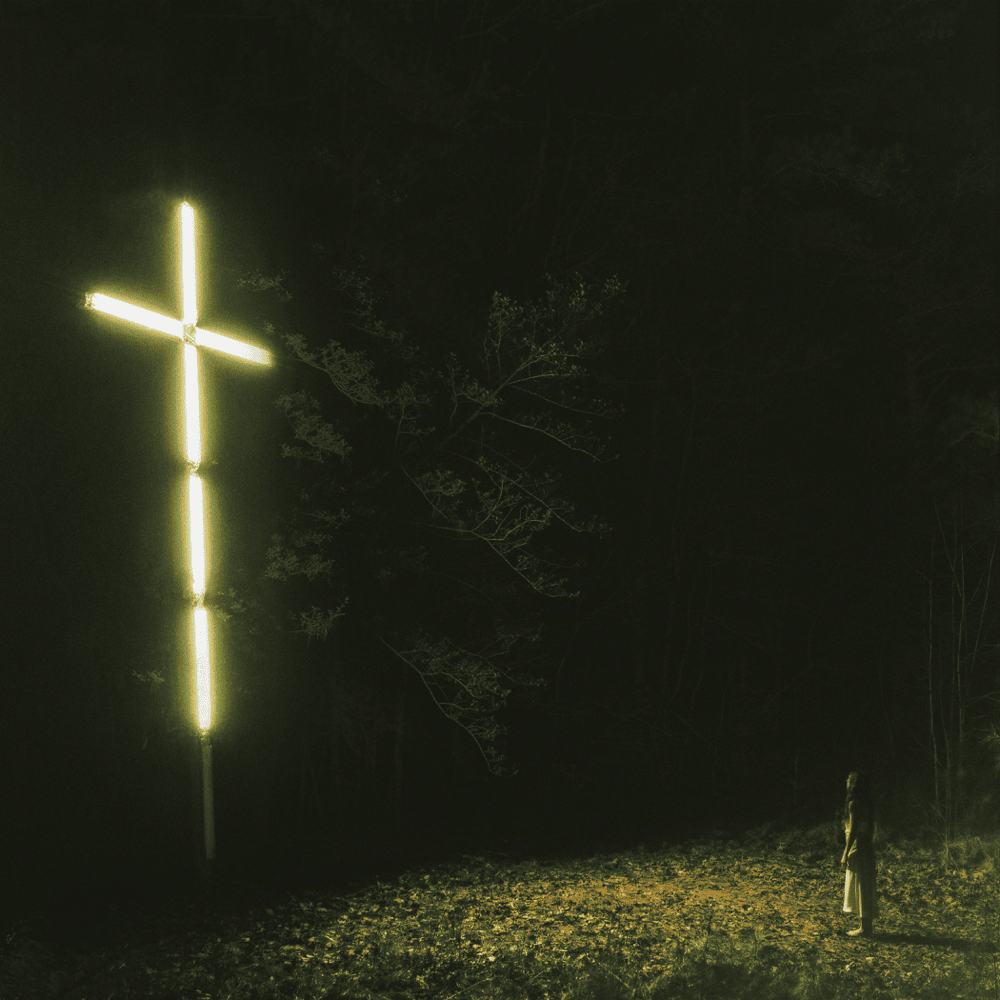
The lyrics paint a stark picture of fading existence and overwhelming darkness. The opening lines immediately establish a sense of dissolution, with the narrator feeling like a memory dissolving within a fog, physically bound by roots as the world grows cold. This imagery suggests a loss of self and a surrender to an encroaching oblivion, where time and memory cease to matter as nature reclaims everything. The phrase "moss covers all" serves as a chilling finality, implying a complete erasure.
The central tension arises from a desperate plea for rescue from an inescapable darkness. The narrator explicitly states, "Pull me back from all the darkness," revealing a profound struggle against an internal or external force that is consuming them. This is compounded by the painful realization of personal weakness: "I thought I could run / I'm not as strong as I thought I was." This admission highlights a profound vulnerability and the failure of self-reliance against this overwhelming tide.
The most striking craft element is the juxtaposition of natural imagery with a profound sense of personal decay and the repeated, almost incantatory, plea: "Take me home." The natural elements like fog, roots, and moss typically evoke a sense of grounding or cyclical return, but here they signify entrapment and oblivion. The simple, repeated request for "home" becomes a desperate cry for solace, safety, or perhaps a return to a former state of being, contrasting sharply with the encroaching decay.
This lyrical construction is effective because it grounds abstract feelings of despair and dissolution in concrete, visceral imagery. The contrast between the natural world's indifference and the narrator's internal collapse creates a palpable sense of dread. The direct, almost childlike plea for "home" amplifies the feeling of helplessness, making the listener acutely aware of the narrator's desperate state as they are seemingly consumed by forces beyond their control.
 View Artist