Song Meaning
The narrator's internal state is a locked-down fortress, a deliberate choice to keep others out. This self-imposed isolation, however, is complicated by a persistent, unwanted presence that lingers, described with visceral imagery like being "stuck between my teeth." The desire to expel this entity clashes with its inescapable nature, creating a cycle of attempted rejection that ultimately fails.
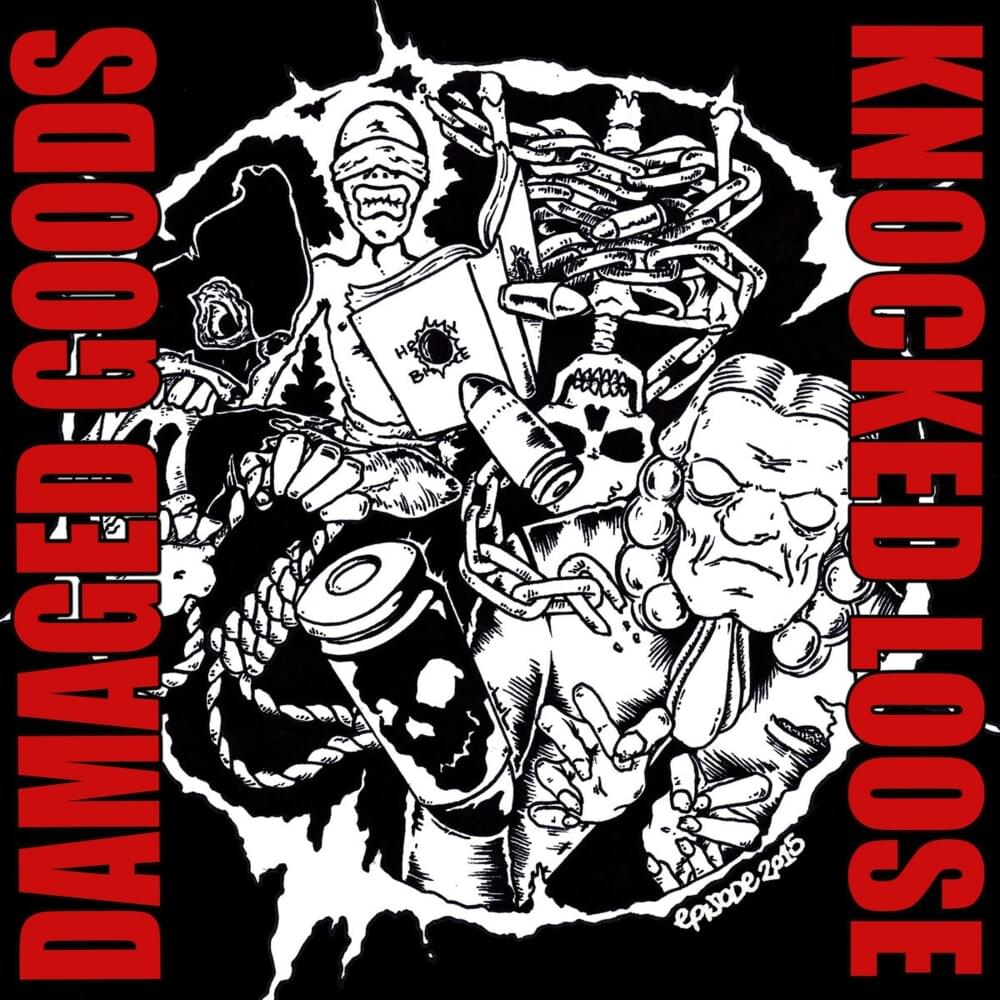
The core tension lies in a desperate plea for liberation from an oppressive bond. Phrases like "Ball and chain, cut me loose" and "Head in the noose" paint a picture of extreme suffering and a feeling of being trapped. This isn't just a bad relationship; it's a life-or-death struggle, with the narrator explicitly stating they've "been through hell and back" and that these "chains, won't break," amplifying the sense of futility and despair.
The most striking element is the narrator's perception of freedom, starkly contrasted with their own reality. The line "You see freedom / Like I see Jesus in burnt toast" is a brilliant, almost absurd, comparison. It suggests that the concept of freedom, for the narrator, is as unlikely, as nonsensical, and as mundane as finding a divine image in a kitchen mishap. This highlights a profound disconnect between what others might perceive as attainable liberation and the narrator's own bleak, distorted outlook.
This lyrical construction is effective because it grounds abstract emotional pain in concrete, often jarring, images. The contrast between the desire for freedom and the reality of being "stuck" and "chained" creates a powerful sense of internal conflict. The unexpected, almost vulgar, outburst in parentheses adds a raw, unvarnished layer of anger, making the final, desperate "Get out" feel earned and devastating.
 View Artist