Song Meaning
The lyrics paint a picture of embracing life's dualities, from sweetness to storms, with a defiant spirit. The narrator declares a love for the pleasant and an absence of fear when challenges arise, describing a visceral experience of the elements: "wind in hair, dust in eyes." This sets a tone of bold acceptance, suggesting a readiness to face whatever comes, whether it's a gentle breeze or a tempest.
The core of the song seems to be a powerful call for radical change, personified as "מהפכה" (revolution). This revolution is not abstract; it's a response to a "crying girl" in the narrator's neighborhood, a concrete image of suffering. The repeated "נדנדו את הסירה" (rock the boat) and the transactional "insert coin, you have a drink/song" suggest a desire to disrupt the status quo, perhaps by offering solace or a new perspective through art or shared experience, even if it comes at a price.
The most striking aspect is the raw, almost anarchic energy directed at dismantling oppressive structures. The lyrics call to "judge the judge," "slaughter the slaughterer," and "overthrow the mayor," aiming to transform "sorrow and sadness into joy." This isn't just about personal resilience; it's a collective urge to break down existing forms and create anew, symbolized by "freeing the bird." The juxtaposition of children in "rags" with this revolutionary fervor highlights a deep-seated desire for justice and renewal from the ground up.
Ultimately, the effectiveness of these lyrics lies in their unflinching embrace of both personal fortitude and societal upheaval. The narrator's willingness to show vulnerability when "it hurts" contrasts with their fearless attitude towards storms, mirroring the song's call to confront pain and injustice head-on. The imagery is stark and urgent, creating a potent anthem for those seeking to overturn hardship and find liberation, even if it means rocking the boat and demanding a new song.
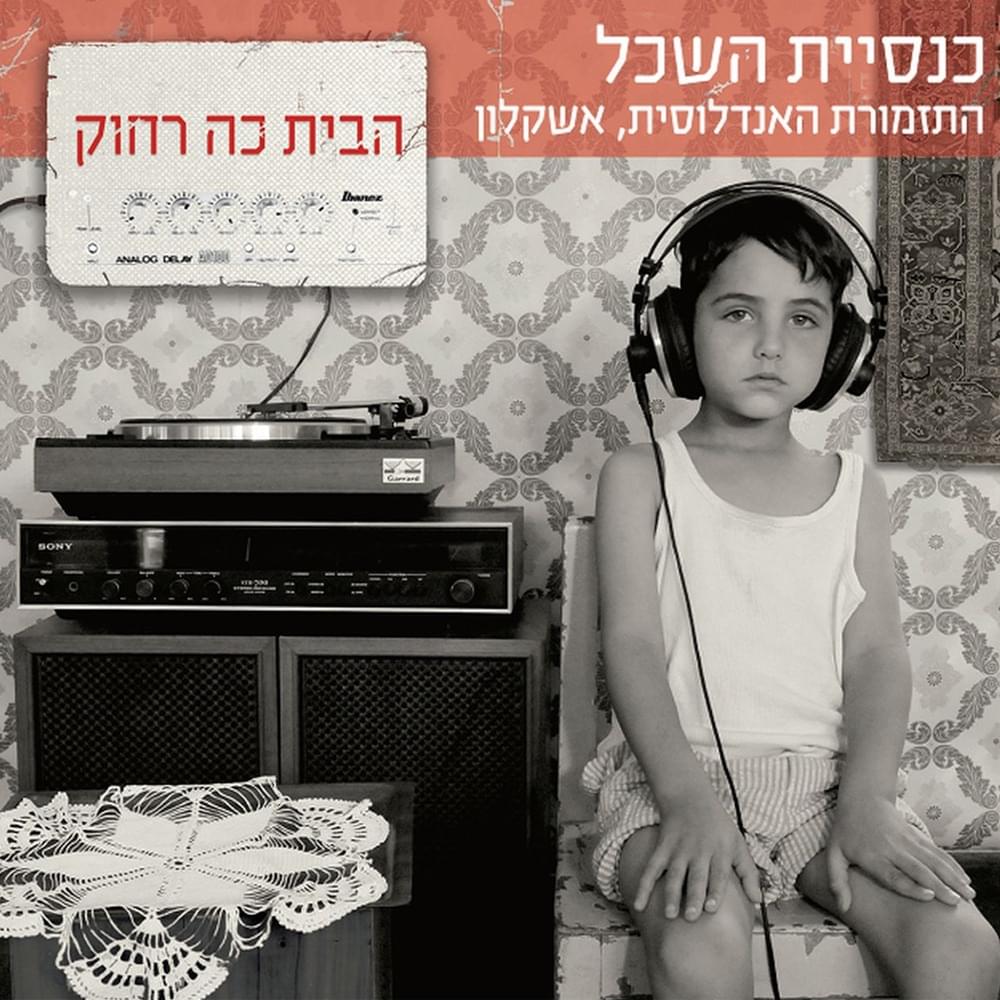
 View Artist