Song Meaning
The lyrics paint a vivid picture of a fresh start, a literal dawn breaking after a difficult night. The narrator wakes up, relieved that the darkness has passed, and immediately feels a surge of optimism. This isn't just a passive observation; it's an active embrace of the day, with the narrator opening their window to the sunlight. The feeling is palpable: the desire to live outweighs even the act of dreaming.
The core tension here lies between external uncertainties and internal conviction. The narrator acknowledges the cold of the previous night, a metaphor for past struggles or doubts, but finds renewed hope with the morning light. They dismiss external sources of guidance – astrology, tarot, or the opinions of others – as irrelevant. This dismissal isn't born of arrogance, but from a profound, personal certainty.
The most striking element is the repeated assertion, "Mas eu sei que Deus me deu a vida / Pra valer a pena" (But I know God gave me life / To make it worthwhile). This refrain anchors the song, transforming a simple appreciation for a new day into a spiritual declaration. The contrast between the narrator's ignorance of worldly predictions and their absolute knowledge of their divine purpose is powerful. It suggests that true meaning isn't found in external validation or fate, but in an internal, divinely-given mandate to live fully.
This lyrical construction is effective because it grounds a universal feeling of hope in specific, tangible imagery and a clear, unwavering personal belief. The shift from the physical experience of dawn to the spiritual conviction of purpose creates an uplifting arc. The narrator isn't just happy the night is over; they are actively choosing to make their life, a gift from God, meaningful. It’s a quiet but resolute affirmation of life's inherent value.
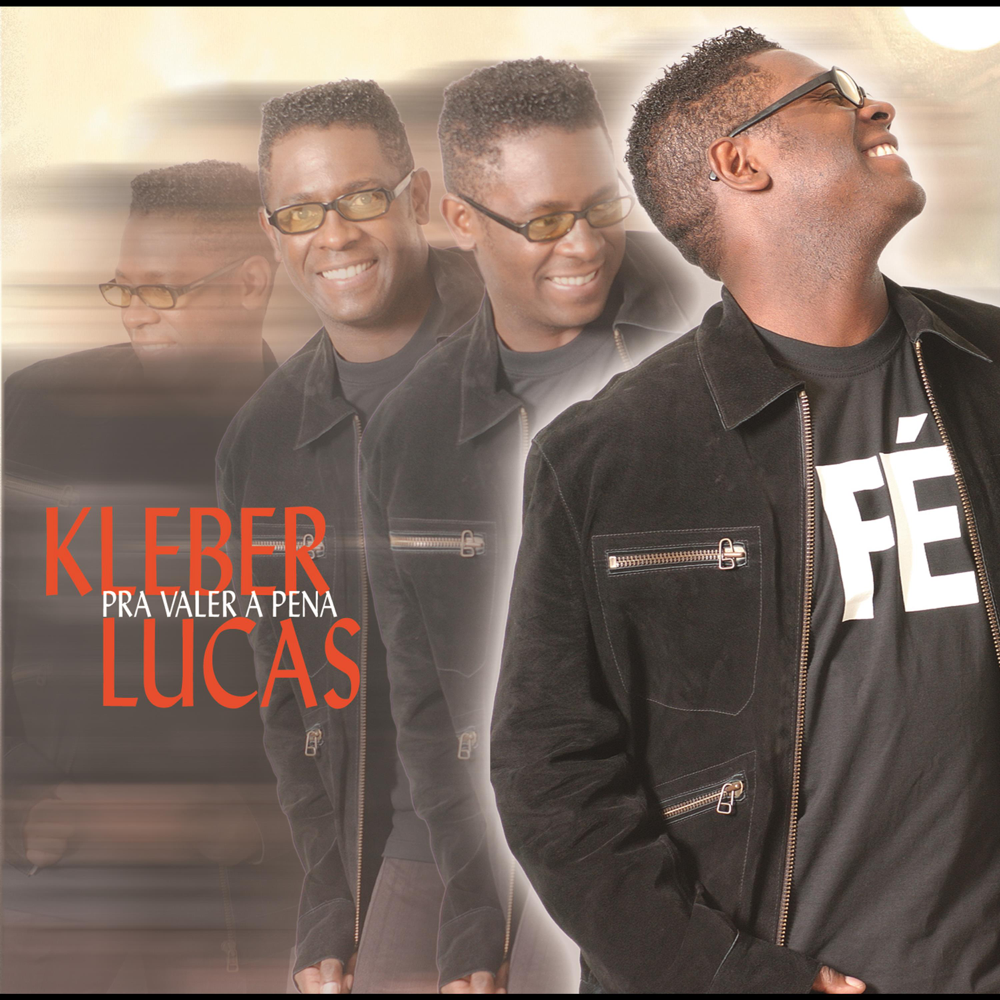
 View Artist