Song Meaning
This song paints a picture of complete devotion, where the narrator's entire existence is framed by their relationship with a divine figure. The opening lines establish a sense of guided movement and ownership, stating, "Sigo meu tempo / Pelo Teu caminho" and "Minha vida pertence a Ti." This isn't just passive acceptance; it's an active declaration of surrender and worship, "Vou Te adorar, Senhor / Com todo meu amor." The core sentiment is one of profound gratitude and recognition of the divine as the source of all life and aspiration.
The central tension lies in the narrator's perception of the divine as the sole provider of their life force and dreams. Phrases like "O ar que respiro / A força que move meus sonhos / Vem do teu querer" highlight this dependence. The divine is elevated to the highest positions: "Meu Rei Tu és, Senhor / Meu Grande Salvador." This framing suggests that earthly existence and personal fulfillment are intrinsically linked to this higher power's will and love, making the divine's presence the ultimate source of joy.
The most striking aspect of the craft is the repeated use of intimate, familial terms alongside divine titles. The narrator calls the divine "Pai adorado" and "Meu Deus querido," but also "Meu Grande Amigo." This juxtaposition of the majestic "Rei" and "Salvador" with the personal "Amigo" creates a unique emotional texture. It suggests a relationship that is both reverent and deeply personal, a bond built on constant acknowledgment and thanks for perceived blessings.
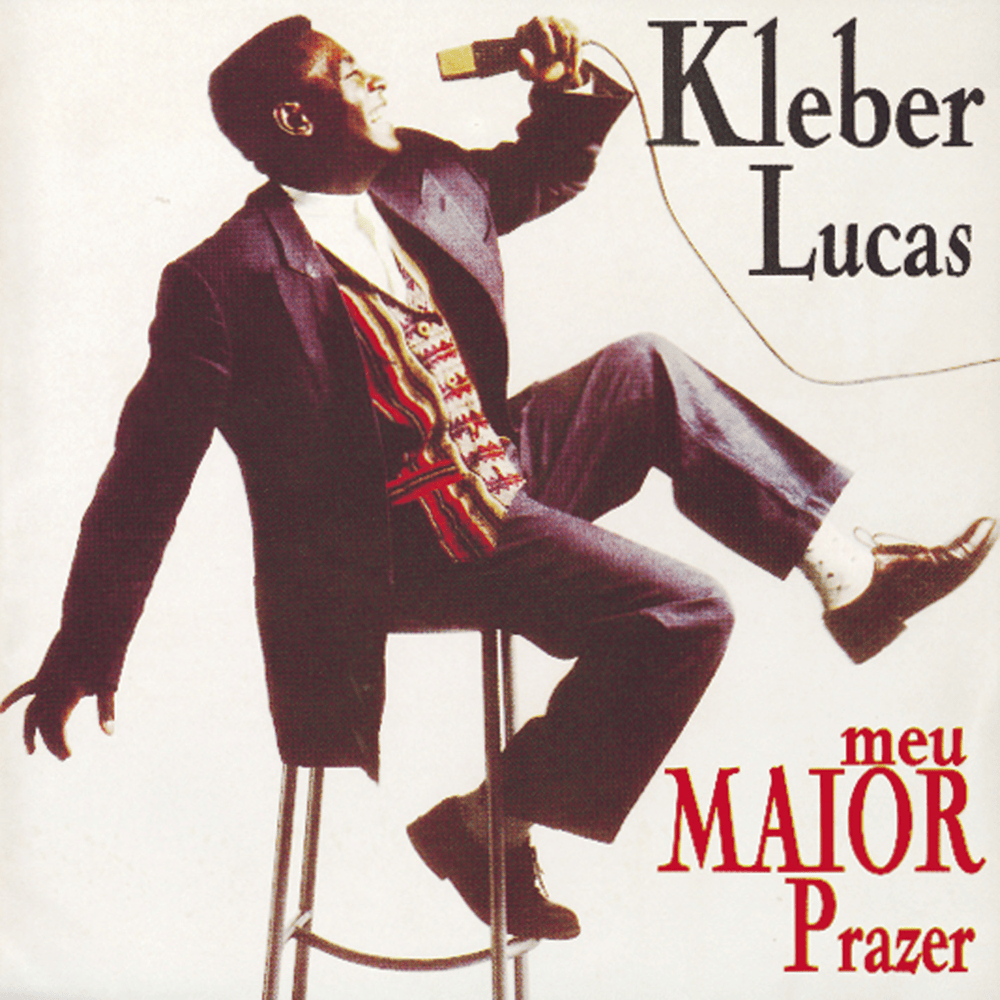
What makes these lyrics resonate is their unwavering focus on a singular source of meaning and pleasure. The ultimate declaration, "Viver com você, ter o Teu amor / Meu maior prazer," encapsulates the song's driving force. It’s the explicit statement that the divine's love and presence are not just important, but are the very definition of the narrator's greatest joy, grounding the entire lyrical expression in a profound, personal sense of fulfillment derived happiness.
 View Artist