Song Meaning
The lyrics paint a stark picture of a child's transition from a cherished childhood landscape to a future dictated by industrialization and societal expectations. The initial scene is one of quiet contemplation, a child in a Finnish home observing the surrounding forests, a place that feels both familiar and on the brink of change. There's a sense of impending loss, a "last glance" at a childhood world that will soon be replaced by "tomorrow's new day" and the "ideals of parents."
The central tension lies in the conflict between the natural, protective embrace of the "home forest" and the encroaching, dehumanizing future. The chorus explicitly states the child's internal struggle: the desire not to lose childhood against the dread of a "gray nightmare" and a "compartmentalized life." This contrasts sharply with the father's attempt at comfort, a generic "everything changes," which fails to address the child's specific fear of losing a vital, green sanctuary.
The writing effectively uses concrete imagery to convey this loss. The once-present meadow, now a "company parking lot for that factory," is a powerful, tangible symbol of displacement. The shift from the natural world to the industrial is further underscored by the image of the "tomorrow the time clock will click," signifying a loss of autonomy and the onset of "pain of submission." The mention of the Bible and Satan in relation to nature's exploitation adds a layer of moral commentary, suggesting a deliberate, almost spiritual corruption of the natural world into "plastic."
Ultimately, these lyrics resonate because they capture a universal, yet deeply personal, moment of irreversible change. The specific details—the Finnish home, the forest, the time clock—ground the emotional weight of growing up and confronting a world that often prioritizes progress over preservation. The writing doesn't just state the sadness; it shows it through the child's internal monologue and the stark contrast between the remembered green and the imagined gray.
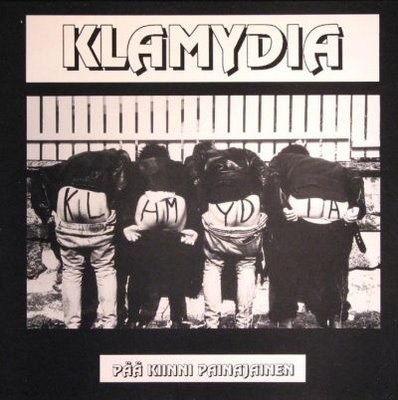
 View Artist