Song Meaning
The lyrics paint a vivid picture of social awkwardness on the dance floor. The narrator admits outright, "Mä en osaa, osaa, osaa tanssia" – I don't know how to dance. This isn't just a casual statement; it's a core confession that sets the scene for a night of fumbling and embarrassment. The imagery of a "partaveitsen" (razor) feeling at home on the parquet suggests a sharp, perhaps even dangerous, environment where the narrator feels completely out of place. They recall specific dance failures: a failed tango, a weak twist, and a clumsy fall during a humppa, all contributing to a sense of profound inadequacy. This initial admission of inability is the bedrock of the song's emotional landscape.
The central tension arises from the narrator's inability to dance and the perceived reaction of their companion. The repeated phrase "Mä en osaa, osaa, osaa tanssia" underscores the narrator's self-consciousness, while the plea "Mutta voisit ees pitää pokkasi ja antaa mulle vähän chanssia" reveals a desperate hope for acceptance. The narrator feels their lack of dancing skill is a source of shame for their partner, noting, "No se tietysti hävetti sua." This creates a dynamic where the narrator's personal failing is amplified by the fear of disappointing or embarrassing someone else, leading to further humiliation.
The lyrics employ a sharp contrast between the narrator's clumsy movements and the expected grace of dancing. The partner is described as a "kipinäsääri" (sparkling leg), implying someone naturally adept and perhaps flashy on the dance floor. This contrasts starkly with the narrator's self-deprecating description of themselves as a "pilipali-Uotinen" (a cheap imitation, like a character named Uotinen) stumbling home after falling "sata ja risat lattiaan" (a hundred and something onto the floor). The repetition of "Mä en osaa, osaa, osaa tanssia" hammers home the central theme, while the partner's supposed embarrassment and the narrator's subsequent shame create a cycle of social anxiety.
Ultimately, the effectiveness of these lyrics lies in their raw, unvarnished portrayal of social anxiety. The narrator doesn't shy away from detailing their failures, from the specific dance types they can't master to the humiliating falls. The plea for a "chanssia" (chance) feels genuine, capturing the vulnerability of wanting to connect despite personal shortcomings. The vivid, almost cartoonish imagery of falling and being laughed at ("Kikatusten saattelemana") makes the narrator's discomfort palpable, resonating with anyone who has ever felt out of step in a social situation.
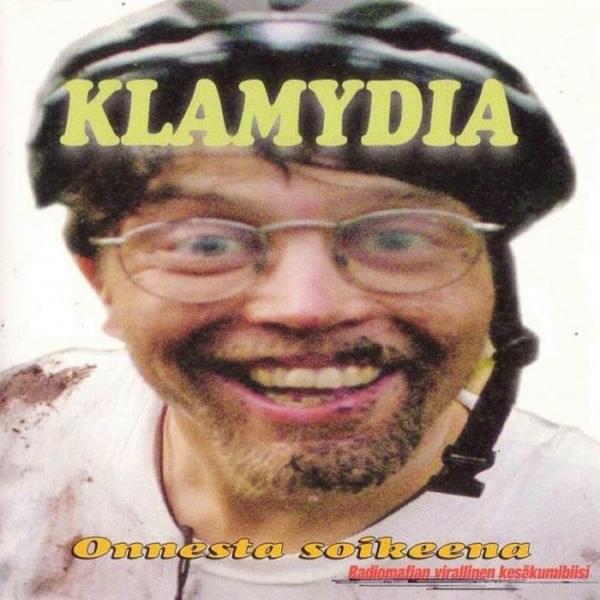
 View Artist