Song Meaning
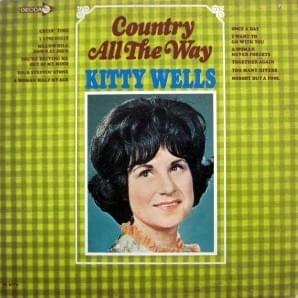
Kitty Wells' "Too Many Rivers" isn't just a country lament; it's a masterclass in regret, delivered with the steely grace only a legend like Wells could muster. The core metaphor – rivers as insurmountable obstacles between past lovers – resonates with a potent blend of sorrow and acceptance. This isn't a simple tale of lost love; it's an acknowledgement that some divides, born of time, distance, and mutual failings, simply cannot be bridged. The 'rivers' represent not only literal separation, but the emotional baggage, unresolved conflicts, and irreversible choices that accumulate over time. The song meaning hinges on this idea of accumulated damage.
Wells doesn't shy away from shared responsibility. The lines, 'Don't think for a moment I blame only you/We both killed the fruit on the vine,' offer a mature, if melancholic, perspective. This isn't a blame game; it's a post-mortem analysis of a relationship's demise, where both parties contributed to its downfall. The 'fruit on the vine' becomes a symbol of squandered potential, a love that withered before it could fully bloom, due to neglect and missteps from both sides. The rawness of this confession elevates the song beyond a simple heartbreak ballad.
The repeated chorus, 'There's too many rivers to cross dear/Too many dreams have been lost,' drives home the finality of the situation. The 'long nights I've turned and I've tossed' speak to the enduring pain and sleeplessness that often accompany profound regret. The dreams lost are not just the shared aspirations of the couple, but also the individual hopes that were intertwined with the relationship. Ultimately, "Too Many Rivers" is a poignant exploration of the lasting impact of broken promises and the quiet resignation that comes with knowing some bridges are simply too far gone to rebuild. It's a song for those who understand that sometimes, the most courageous act is not to fight for what's lost, but to accept the uncrossable distance.
 View Artist