Song Meaning
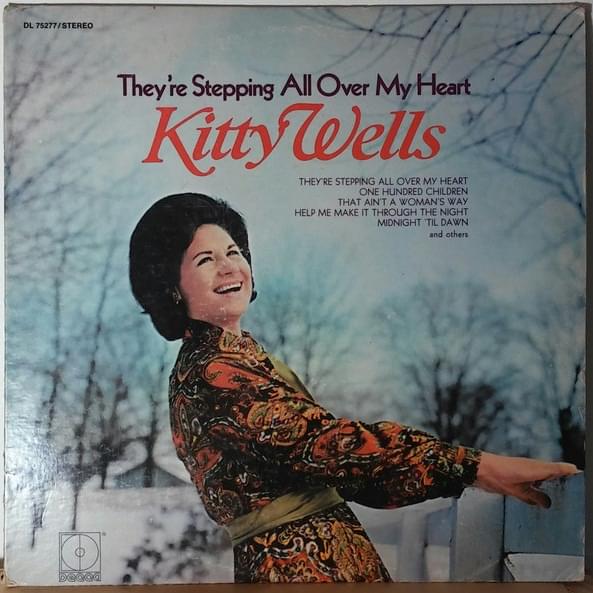
{"song_id": 14634176, "meaning": "Kitty Wells' \"They're Stepping All Over My Heart\" isn't just a country lament; it's a raw, unflinching glimpse into the universal paradox of motherhood. The song's power lies in its stark honesty about the emotional toll exacted by raising children, a theme often glossed over in favor of sentimental platitudes. Wells bypasses idealized portrayals, diving headfirst into the specific ache of watching children grow independent, perhaps even callous, to the sacrifices made on their behalf. The opening lines, referencing wrinkles and gray hair, aren't mere physical observations; they're battle scars, visible testaments to the emotional labor of parenting. This isn't a complaint, but a weary acknowledgement of a love that simultaneously sustains and wounds. The lyrics portray a mother's quiet desperation as she witnesses her children's growing indifference.
The central metaphor—children \"stepping all over my heart\"—is brutal yet effective. It moves beyond simple disappointment, suggesting a profound violation of trust and affection. The repetition of this line amplifies the feeling of ongoing, relentless pain. The earlier image of children sitting on her knee represents a time of innocent dependence and reciprocated affection. This stark contrast underscores the painful transition from cherished closeness to a perceived disregard for her feelings.
Ultimately, \"They're Stepping All Over My Heart\" acknowledges the inherent contradictions within parental love. Despite the pain, the mother's devotion remains unwavering: \"They're my own flesh and blood so no matter what they do / I will love them in a mother's special way.\" This isn't a celebration of perfect motherhood, but a complex portrait of enduring love intertwined with sorrow and the quiet hope that her children will eventually find their way. The song's meaning resides in this tension, capturing the bittersweet reality of raising children who, in their journey toward independence, inevitably cause their parents pain."}
 View Artist