Song Meaning
Kitty Wells's "Paying For That Back Street Affair" isn't just a country lament; it's a stark psychological portrait of shame and consequence. The song's power lies in its unflinching depiction of a woman trapped by societal judgment after an affair with a married man. The lyrics paint a picture of initial naiveté, quickly shattered by the realization that she was deceived. The phrase "backstreet affair" itself becomes a symbol of secrecy, guilt, and social stigma, highlighting the double standard often applied to women in such situations. It's not merely heartbreak; it's the crushing weight of public opinion and the internal torment of a compromised moral compass. Wells's delivery adds to the song's emotional intensity, conveying both vulnerability and a simmering resentment at the unfairness of her situation. The listener is forced to confront the long-term psychological damage inflicted by a fleeting moment of transgression.
The narrative unfolds as a confession, a raw and honest accounting of the emotional debt incurred. The line, "You didn't count the cost, you gambled and I lost," speaks volumes about the power dynamics at play. The man, presumably, returns to his "true, forgiving wife," while the woman is left to grapple with the fallout, her reputation permanently tarnished. This isn't a tale of mutual culpability; it's a condemnation of the system that disproportionately punishes women for straying outside societal norms. The "hours of deep despair" are not simply the result of lost love, but the product of a society that refuses to forgive or forget.
Ultimately, "Paying For That Back Street Affair" resonates because it taps into universal themes of guilt, shame, and the enduring power of social judgment. The song is a reminder that actions, particularly those deemed morally questionable, have lasting consequences, and that the price of transgression can be far steeper for some than for others. The final verses emphasize the relentless nature of this punishment, with the singer acknowledging that she "must go on while the gossips spread are wrong," forever branded by a single, ill-fated decision. The lyrics analysis reveals a woman trapped not just by her own choices, but by a patriarchal society that polices female sexuality and punishes deviation from the norm.
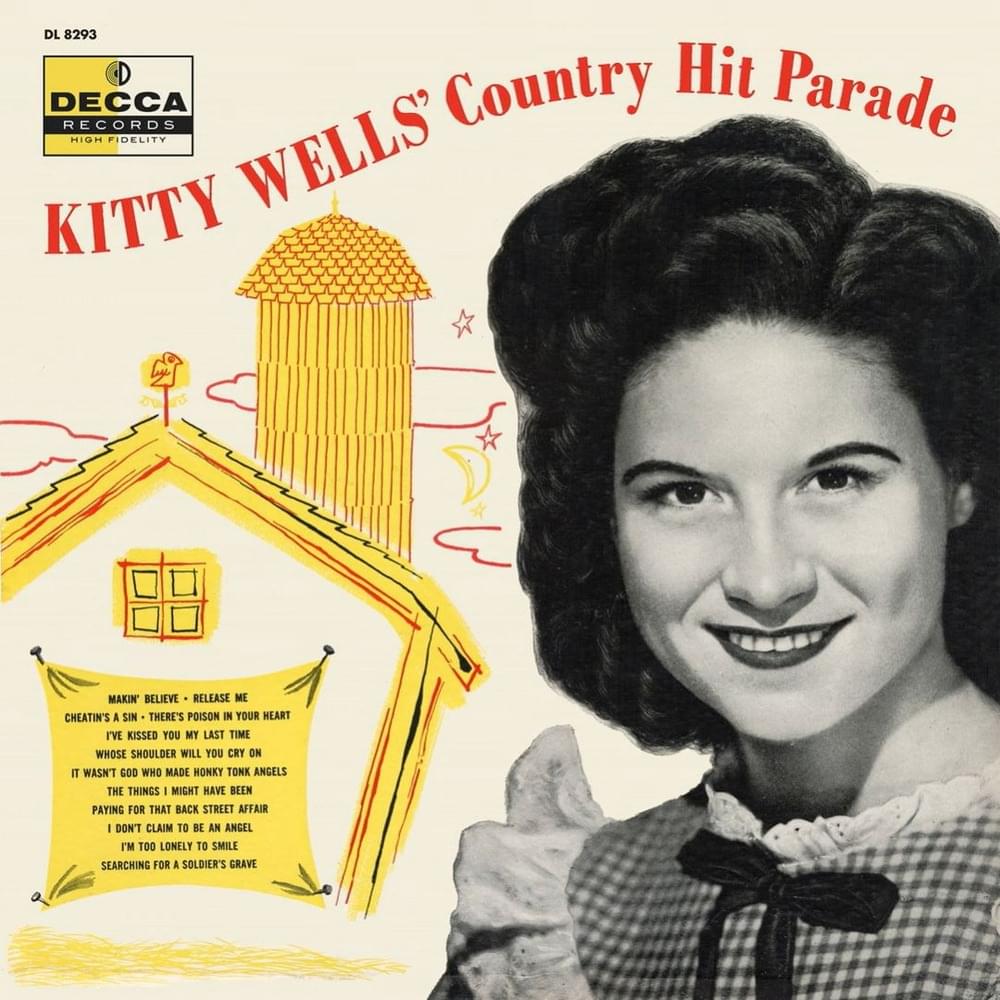
 View Artist