Song Meaning
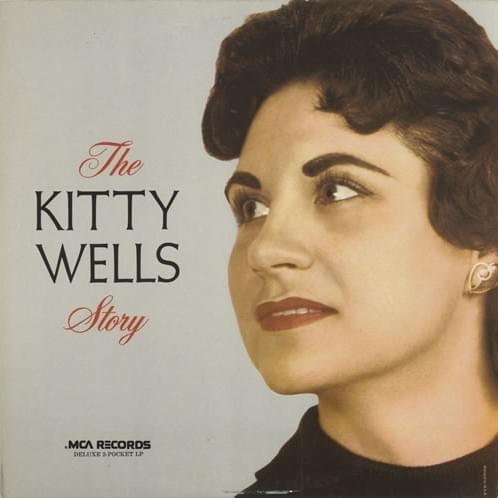
Kitty Wells, the queen of heartbreak, delivers a masterclass in emotional boundaries with "Other Cheek." This isn't a passive lament of unrequited love; it's a steel magnolia declaration of self-respect. The song's core revolves around the age-old adage of turning the other cheek, a concept Wells dismantles with the precision of a seasoned mechanic taking apart a faulty engine. She's "done everything" to win affection, only to be relegated to the friend zone, a purgatory of dashed hopes and unreciprocated feelings. The repeated rejection becomes the catalyst for her awakening. This isn't about religious forgiveness; it's about psychological preservation. Wells understands that endless patience in the face of indifference only breeds resentment and erodes self-worth.
The lyrical sting lies in the projection of future regret. Wells envisions a time when the object of her affection, blinded by "fun and bright lights," will find himself alone and wanting. The lines drip with a quiet, almost chilling confidence. She's not threatening revenge, but rather stating a simple truth: her well of forgiveness has run dry. The repetition of "I won't turn the other cheek again" is a mantra of self-empowerment, a refusal to be a doormat in the pursuit of a love that will never be. It's a powerful message, especially coming from a female artist in a genre often associated with passive acceptance.
Ultimately, "Other Cheek" transcends the typical country heartbreak song. It becomes a study in assertiveness and the reclaiming of one's emotional agency. The final verse, with its warning of unavailability, is particularly potent. Wells isn't just walking away; she's actively closing the door, ensuring that the possibility of reconciliation is firmly off the table. This isn't just about lost love; it's about the hard-won realization that self-love and respect are non-negotiable, even in the face of longing. The song becomes a stark reminder that sometimes, the most compassionate act is to protect oneself from further emotional harm.
 View Artist