Song Meaning
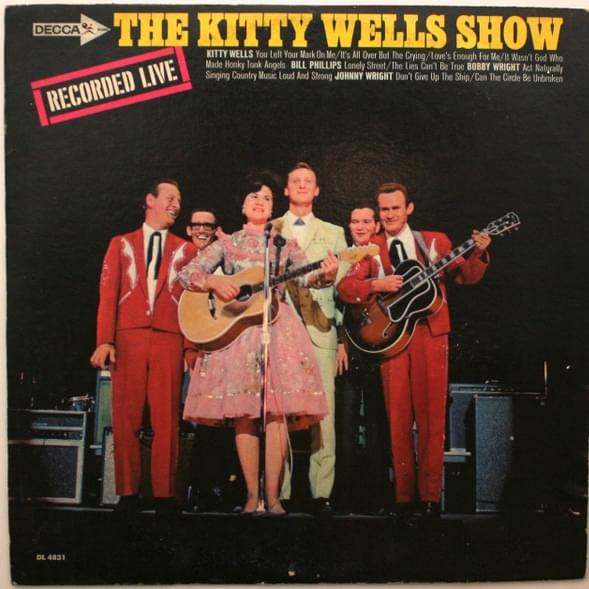
Kitty Wells' "It's All Over (But the Crying)" isn't just a lament; it's a masterclass in country stoicism. The song encapsulates the raw, immediate aftermath of romantic defeat. Wells doesn't wallow; she acknowledges the inevitable. There’s a clear-eyed understanding that the battle for her lover's affection is lost, the stark reality delivered with a chilling simplicity: "Then she set out to win you and won." It's a brutal, economical summary of a heartbreak that likely unfolded over weeks or months. The genius lies not in elaborate metaphors, but in the plainspoken truth. Wells' persona isn't pleading or bargaining; she's absorbing the blow.
The lyrical structure reinforces this sense of grim acceptance. The verses lay bare the discarded dreams – "wedding ring, a home and some children too" – aspirations now rendered impossibly naive. Yet, there's no accusatory tone directed at the departed lover. The focus remains squarely on the speaker's internal struggle. The repetition of "It's all over but the crying" serves as both a resignation and a promise. The crying is presented as the final, necessary stage. It's a process, not a permanent state.
The song meaning hinges on the understated strength of the singer. The final line, "And if I can start then maybe I'll forget you," offers a glimmer of hope, a path forward carved out of heartbreak. It's not a guarantee, but an intention, a quiet act of defiance against despair. Wells' performance, coupled with the lyrical content, transforms "It's All Over (But the Crying)" into an anthem of resilience, a testament to the enduring power of the human spirit to rebuild after love's wreckage.
 View Artist