Song Meaning
The lyrics paint a picture of someone caught in the persistent echo of a past love, unable to move on. The narrator directly addresses a former lover, questioning if they remember them, and admitting their own gaze and lips still search for them. There's a palpable sense of longing, a desire to recapture a past intimacy, as evidenced by the plea, "그때처럼 날 안아줘" (Hold me like back then). This immediate emotional texture is one of yearning and a quiet desperation to reconnect.
The central tension lies in the conflict between the present reality and the enduring power of memory. The narrator's heart insists on remembering, declaring the person as the "단 한 사람" (only one person) who makes their heart race, even though the love is described as "가슴 시리도록 아픈 사랑" (a love so painful it chills the heart). This paradox of painful remembrance highlights the difficulty of letting go, suggesting the emotional wound is still very much alive.
The repeated refrain, "가슴이 말해 너를 기억해" (My heart says I remember you) and "눈물이 말해 사랑해 그대" (My tears say I love you), acts as a powerful anchor. These phrases aren't just declarations; they are presented as involuntary physical responses, suggesting a love that transcends conscious control. The narrator's world narrows to this one person, as stated in the interlude, "아직도 내게는 그대만 보여요" (Still, only you are visible to me), emphasizing the all-consuming nature of this lingering affection.
Ultimately, the effectiveness of these lyrics stems from their raw, unvarnished portrayal of heartbreak. The simple, direct language and the focus on physical manifestations of emotion – a racing heart, trembling lips, tears – make the narrator's pain feel immediate and visceral. The final lines, wishing to bear the other's pain, underscore a selfless, enduring devotion that resonates deeply, even in its sorrow.
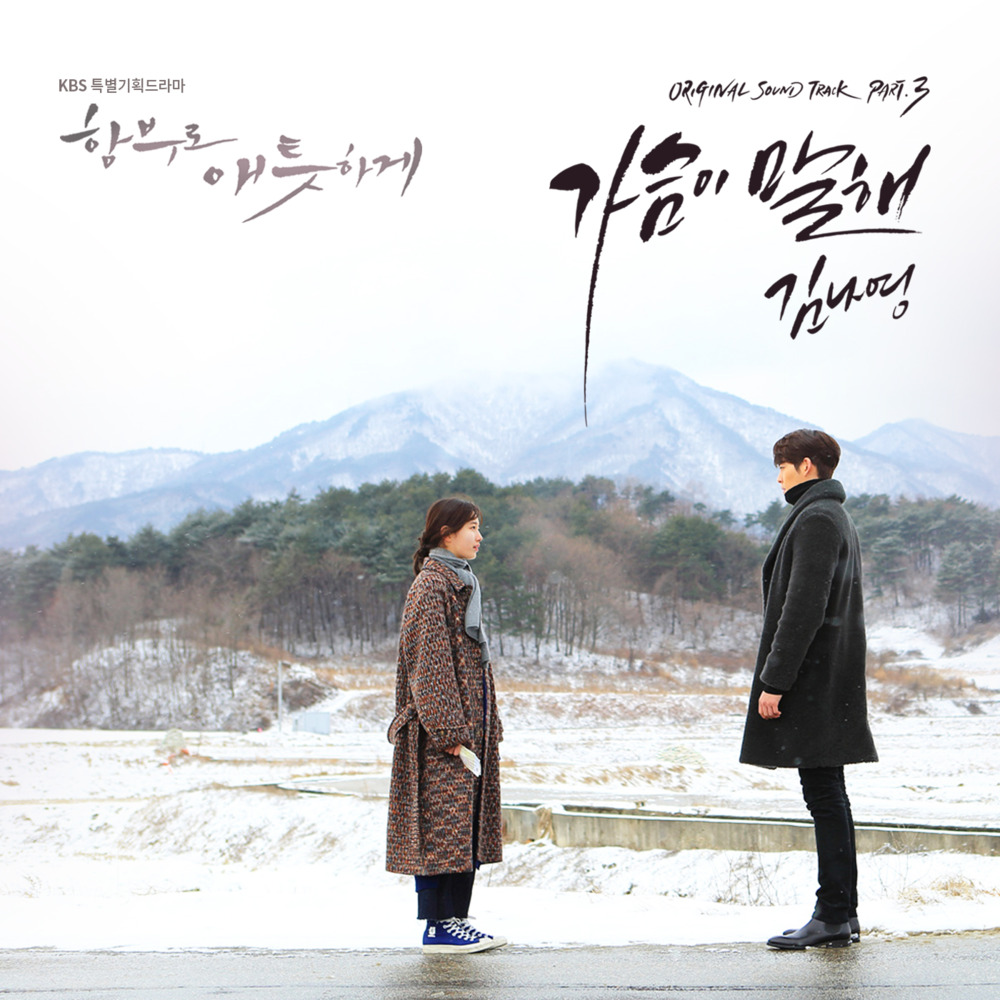
 View Artist