Song Meaning
This track captures the raw, disorienting aftermath of a relationship's end, where the narrator is caught between a desperate desire to forget and an equally powerful pull back to what was lost. The opening lines immediately establish a tone of weary finality, a refusal to rehash the pain. Yet, this resolve is immediately undercut by the admission of profound loss and internal turmoil, a 'fire in my heart' and 'pounding in my brain' that signifies the struggle to move on.
The central tension lies in the narrator's inability to escape the past, despite a clear intention to do so. The plea to 'close the door' on 'yesterday's just a memory' clashes with the recurring refrain, 'Can you take me high enough / To fly me over yesterday.' This suggests a profound dependency on an external force or person to achieve a state of transcendence, to escape the misery that 'it's never over.' The lyrics paint a picture of someone paralyzed, unable to initiate their own escape.
The most striking element is the cyclical nature of the narrator's actions, particularly the 'running' motif. The narrator admits to 'running for the door' only to find themselves 'running back for more,' a powerful image of self-sabotage or an irresistible magnetic pull toward the source of pain. This internal conflict, the simultaneous push and pull, is the engine of the song's emotional weight, highlighting a desperate, almost involuntary, oscillation between rejection and longing.
Ultimately, the effectiveness of these lyrics stems from their unflinching portrayal of this internal war. The direct, almost childlike pleas – 'Don't say goodnight, Say you're gonna stay forever' – coupled with the admission of a single, pivotal mistake ('I didn't know what to say') ground the grand, desperate desire for escape in relatable human fallibility. The narrator isn't just sad; they're actively, if unsuccessfully, fighting a battle against their own memories and desires, making the plea to be 'high enough' feel like a genuine cry for salvation.
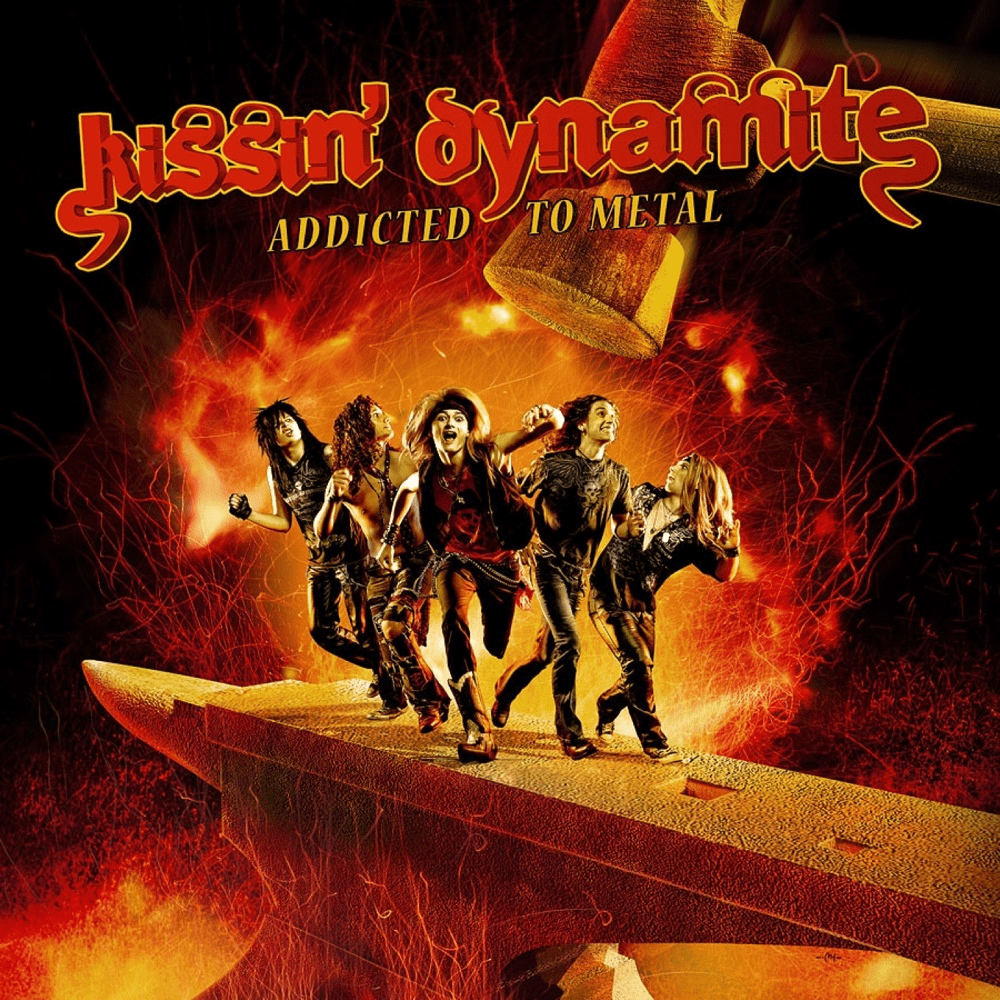
 View Artist