Song Meaning
The lyrics paint a visceral picture of a descent into a destructive state, a "darkside" that has consumed the narrator. The opening lines immediately establish a sense of inescapable doom, a "dead end" where survival is a desperate act. There's a stark contrast between the narrator's perceived fate – "It's too late for me" – and the possibility of escape for another, urging them to "hang on for your life." This sets up a core tension: the narrator's surrender versus another's potential salvation.
The central conflict emerges from a profound disconnect in a relationship, where the narrator's suffering goes unnoticed or unfelt by a loved one. The plea, "Why don't you feel it when i fall?" highlights a desperate need for empathy that isn't being met. This lack of connection is amplified by disturbing imagery of being "dragged down into your hell" and feeling "sickened," suggesting a toxic, consuming dynamic where the other person's presence is physically and emotionally nauseating, as if they are a parasitic entity.
The most striking craft element is the unsettling, almost body-horror imagery used to describe the relationship's impact. The narrator feels "sickened" and likens the other person to something "inside my stomach, eating you're way out." This visceral language transforms an abstract emotional pain into a tangible, grotesque physical experience. The repeated command to "Run for your life" becomes a desperate plea for the other person to escape this destructive influence, or perhaps a self-preservation instinct kicking in as the narrator realizes the danger they represent or are in.
Ultimately, these lyrics resonate because they articulate a feeling of being utterly lost and corrupted by an external force, while simultaneously clinging to a sliver of hope for someone else. The raw, almost violent imagery makes the internal struggle feel terrifyingly real. The final lines, "I'm still alive (now i've got a chance to breathe)," offer a complex resolution: the narrator acknowledges their own survival, but the preceding torment and the plea to "run" suggest this survival is precarious and perhaps achieved through a separation from the source of their pain, a separation that was initially resisted or misunderstood.
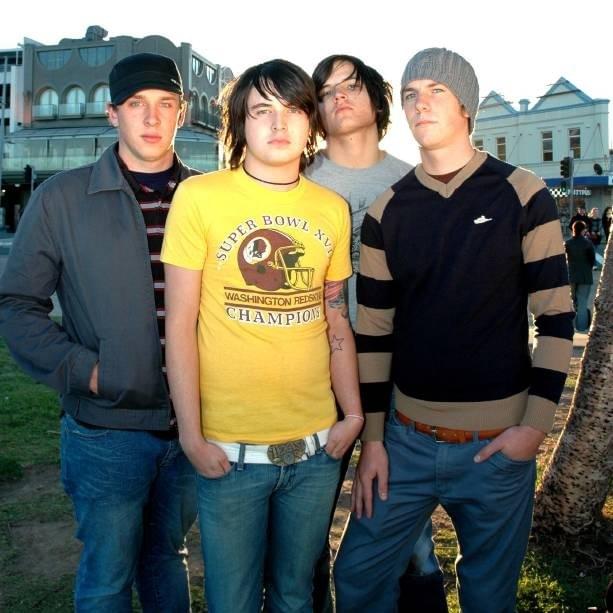
 View Artist