Song Meaning
Kirk Franklin's "Intro" is less a conventional song and more a potent thesis statement, a declaration of war against the artist's own internal demons. The brief spoken-word piece, steeped in biblical allusion, plunges directly into the heart of spiritual conflict. The lyric, "When I would do good, evil is always present with me," immediately sets the stage. Franklin isn't just acknowledging temptation; he's wrestling with the inescapable presence of darkness that shadows even the purest intentions. This echoes the sentiment found in Romans 7:21, highlighting the universal struggle between the will to do right and the persistent pull of wrongdoing. The raw honesty is arresting, a hallmark of Franklin's work. It's a vulnerability that invites listeners into his personal battleground.
The cry, "O wretched man that I am, who will free me from this body of death," is a direct lift from Romans 7:24, amplifying the sense of desperation and the profound need for deliverance. This isn't a superficial acknowledgment of sin; it's a visceral expression of being trapped, suffocated by the weight of human fallibility. However, Franklin doesn't wallow in despair. The immediate shift to "Thanks be to God through Christ Jesus" marks a turning point, a recognition that salvation and freedom are attainable through faith. This juxtaposition of wretchedness and gratitude is crucial to understanding the song's meaning; it's a testament to the transformative power of grace.
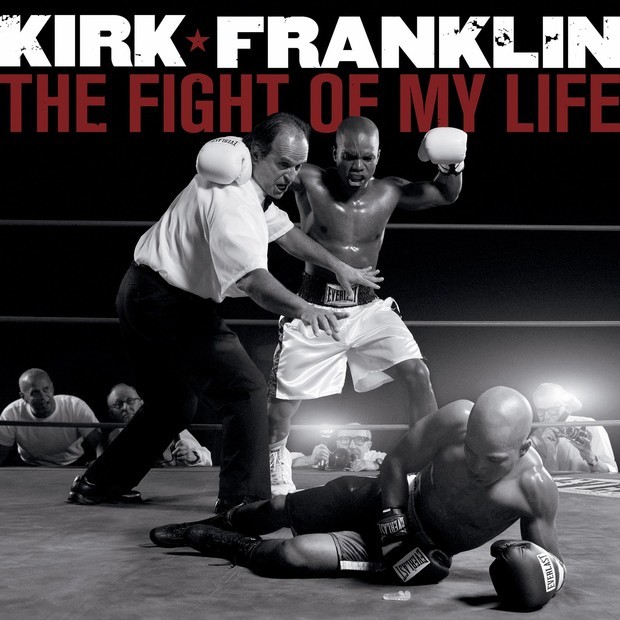
Ultimately, "Intro" functions as a spiritual call to arms. The declaration, "I'm ready... for the fight of my life," isn't just a prelude to the album; it's an invitation to join Franklin in his ongoing struggle. The closing command, "Start the record," carries a dual meaning. It signals the beginning of the musical journey, but also the commencement of the spiritual battle. Kirk Franklin lays bare his internal conflicts, inviting listeners to confront their own, and find strength in the shared experience of faith and the promise of redemption. The song meaning resides in the tension between human frailty and divine grace, a theme that resonates deeply within Franklin's body of work.
 View Artist