Song Meaning
The lyrics paint a stark picture of disillusionment with traditional romantic narratives. The narrator, once a "天真的小孩" (innocent child), no longer believes in a benevolent "善良的引力" (kind gravity) of the universe or the fairytale notion of a "王子" (prince) to share a "相依為命的故事" (story of depending on each other). Instead, the focus shifts inward with a defiant declaration: "祝我和自己白頭偕老永結同心" (Wishing myself a lifelong union and eternal love). This self-reliance is presented not as a fallback, but as a conscious rejection of external validation, questioning if the narrator themselves can be their own "王子" (prince).
The core tension lies in the struggle to move past ingrained patterns of "愚蠢的錯誤" (stupid mistakes) and "懷疑幸福" (doubting happiness). The repeated desire to "be okay with the way I'm made" and "be brave with the steps I take" highlights an internal battle against self-doubt and a fear of "change" and becoming "jaded." This personal plea is mirrored in the hope that another person might also find self-acceptance, urging them "Don't let me fall into hate" and reminding them "你就在這片人海" (you are in this sea of people), suggesting a shared human experience of seeking belonging and self-worth.
A particularly striking element is the critique of conformity and superficial connection. The imagery of "穿上同樣的禮服" (wearing the same ceremonial dress) and expecting "同樣的禮物" (the same gift) points to a societal pressure to follow a prescribed path. The narrator observes that "關注我不等於你愛我" (attention doesn't equal love), recognizing the potential for "災禍" (disaster) in superficial interactions and the "愚蠢的選擇" (stupid choices) of "欺善怕惡" (bullying the weak and fearing the strong). This collective disillusionment, where "我們之間的相同是擁有傷痛" (what we have in common is pain), underscores the difficulty of genuine connection in a world driven by "權力的操控" (power's manipulation).
Ultimately, the effectiveness of these lyrics stems from their raw honesty and the pivot from external romantic ideals to internal resilience. The shift from a passive waiting for a fairytale to an active embrace of self-acceptance, even amidst "隱隱作痛" (hidden pain), resonates deeply. The repeated affirmation "We'll find a way" coupled with the final, slightly altered line "我就在這片人海" (I am in this sea of people) offers a powerful statement of self-possession and solidarity, finding strength not in a mythical prince, but in the shared human condition and the resolve to navigate it independently.
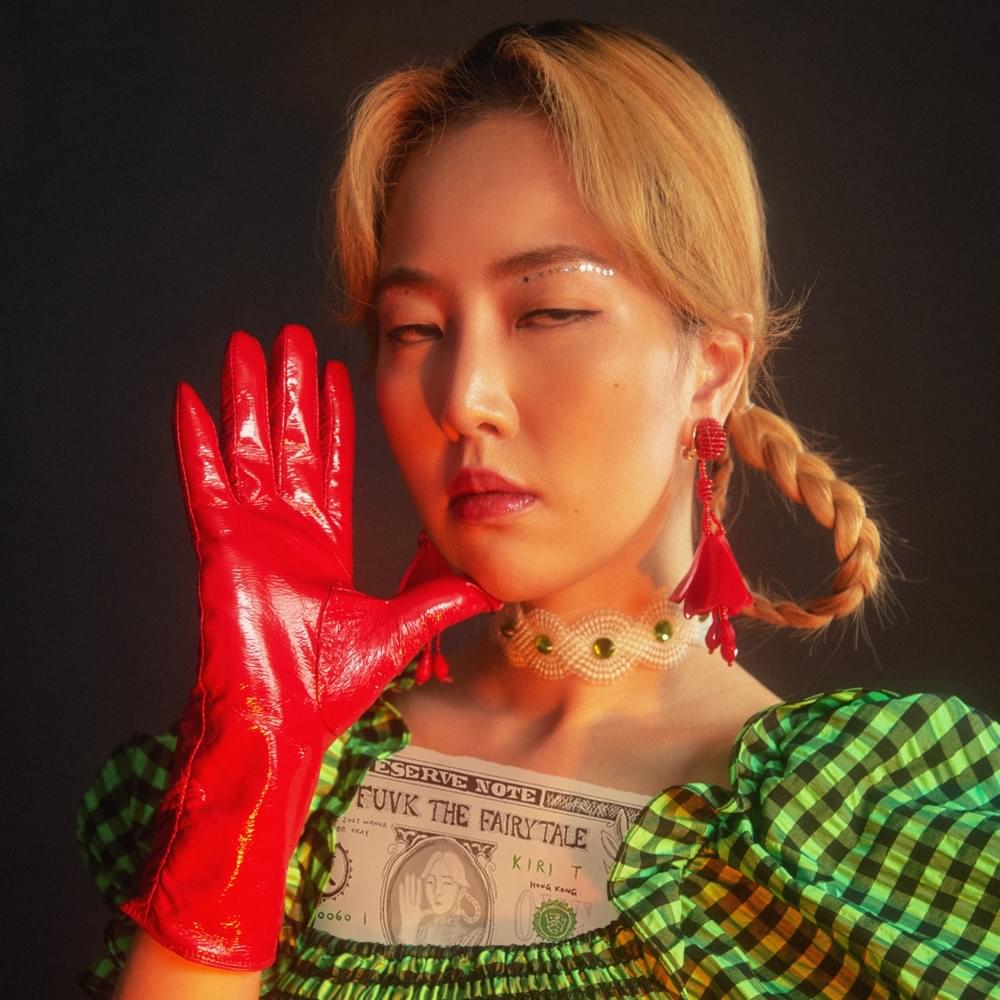
 View Artist