Song Meaning
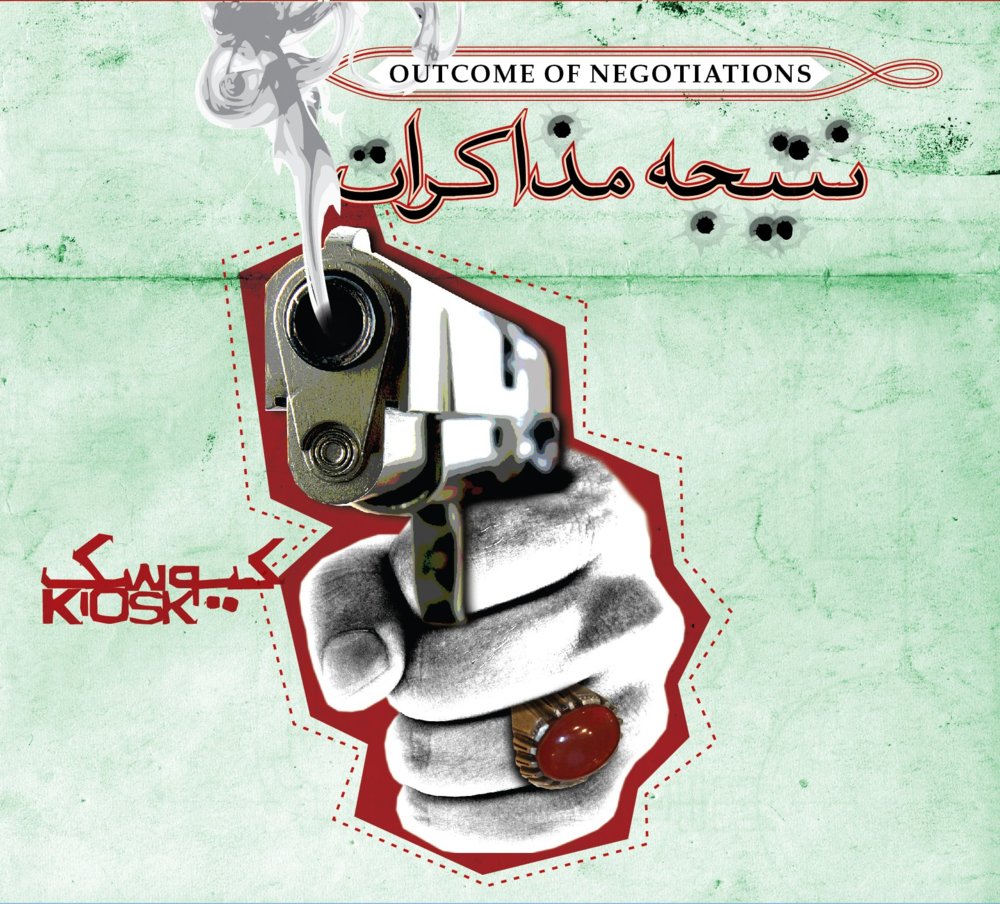
The lyrics paint a picture of a system where approval comes from a high authority, the 'Excellency,' whose decision is final and recorded. This approval is then locked away, suggesting a process that is opaque and inaccessible. The repeated phrase, "حضرت تایید کردن ، اسمش رو برگست" (His Excellency has approved, his name is on the document), emphasizes this top-down decree. The narrator questions the nature of the ballot box, wondering if it's for voting or for discarding waste, highlighting a deep skepticism about the efficacy of the electoral process itself. The output is deemed trash, regardless of input, suggesting a predetermined outcome.
The core tension lies in the stark contrast between the facade of a legitimate process and the reality of corruption and manipulation. The lyrics describe "wickedness enriched by 63 percent" and a "monkey from which circus," painting a picture of absurdity and decay. The imagery of a broken sewer siphon from Jamkaran mosque, reeking of lies and filth, underscores a profound sense of moral and systemic rot. This isn't just a critique of a single event, but a deep-seated disillusionment with the entire structure.
A particularly striking element is the personification of abstract concepts like justice and honor. Justice is depicted as blind and drunk, swinging its sword aimlessly, while honor is in a coma and courage is in the blood, implying a state of paralysis or ineffectiveness. The lyrics also mock the distribution of "justice shares" by comparing them to soda bottles or sandwiches, reducing significant societal benefits to trivial handouts. This sharpens the critique by highlighting how genuine needs are met with hollow gestures.
Ultimately, these lyrics resonate because they articulate a profound sense of powerlessness and cynicism. The narrator observes that everyone is awake but feigning sleep, trapped in a cycle where the powerful are likened to jackals and dogs, and the populace is urged to apologize for the 'Excellency's' pain. The repeated refrain serves as a grim reminder that despite the underlying rot, the decree from above stands, leaving the listener with a feeling of inescapable, suffocating authority.
 View Artist