Song Meaning
This classic holiday tune operates on a surprisingly intense level of surveillance and judgment. The opening lines immediately establish a tone of warning: "You better watch out, you better not cry." It's not just a friendly heads-up; it's a directive, setting up a clear dichotomy between good behavior and its consequences. The repetition of "You better" hammers home the urgency, framing Santa's arrival not just as festive, but as an impending audit of one's moral ledger.
The core tension lies in the constant, inescapable observation Santa embodies. The lyrics explicitly state, "He sees you when you're sleeping / He knows when you're awake." This isn't passive knowledge; it's active, omniscient awareness that fuels the demand to "be good for goodness' sake." The song cleverly uses the guise of a jolly figure to enforce a strict behavioral code, suggesting that even in moments of supposed innocence or rest, one is under scrutiny.
What makes the craft so effective is the juxtaposition of a benevolent figure with an almost Big Brother-esque monitoring system. The list-making and checking twice ("He's making a list, he's checking it twice") transforms Santa from a gift-giver into an arbiter. The repeated phrase "Santa Claus is coming to town" acts as a recurring motif, a countdown that amplifies the pressure to conform. The simple, direct language makes the underlying message of accountability universally understood, yet the implications of such constant watching are subtly chilling.
Ultimately, the song's enduring power comes from its masterful blend of festive anticipation and subtle psychological pressure. It taps into a primal understanding of reward and punishment, using a beloved cultural icon to underscore the importance of good conduct. The lyrics create a world where every action is noted, making the simple act of Santa's arrival a potent reminder of the consequences of one's choices, both seen and unseen.
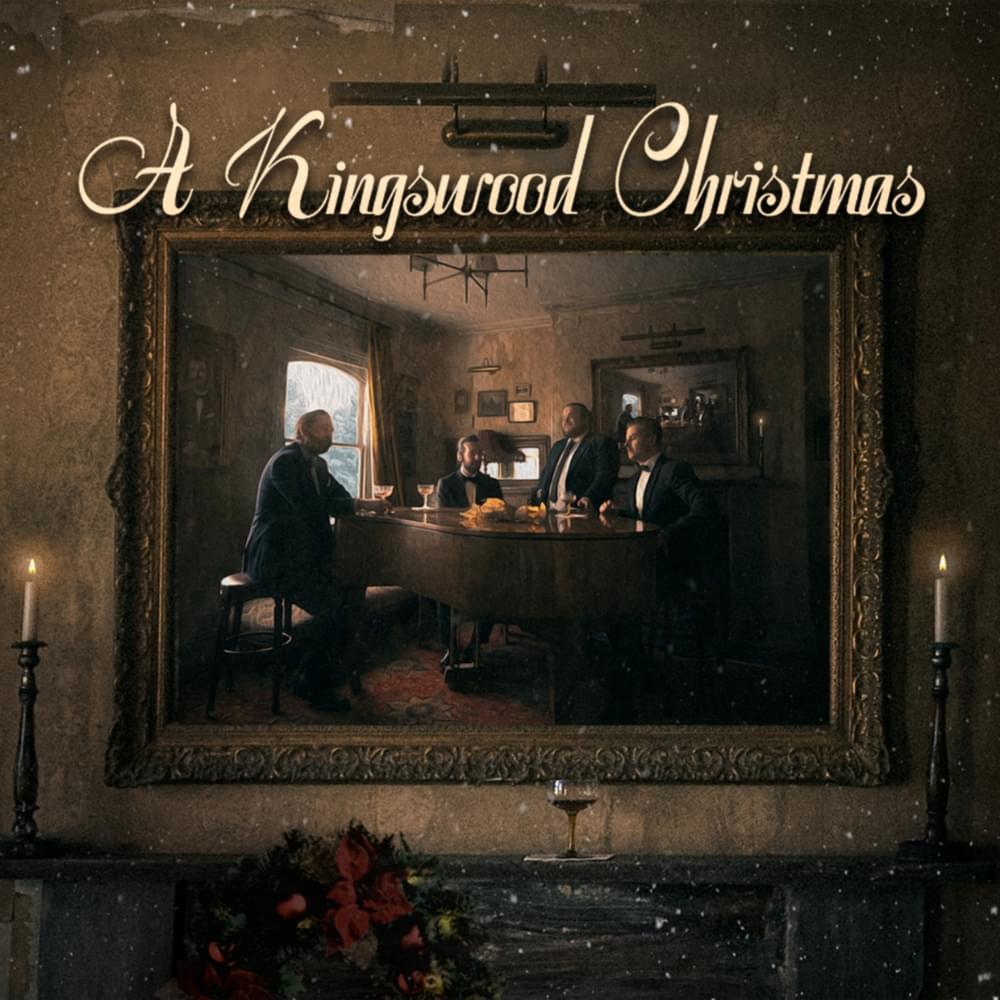
 View Artist