Song Meaning
The narrator is trapped in a state of agonizing anticipation, pleading with abstract "killers" to "kill some time" because their own time is being consumed by waiting for a desired outcome, possibly a romantic one. This waiting feels like a sentence, stretching into "hours and days," fueled by a desperate hope that their beloved will finally be theirs. The narrator even wishes they had been fed lies, suggesting a willingness to accept any narrative, however false, if it offered reassurance that their wait would end successfully.
The core tension lies in the narrator's complete lack of agency, especially concerning the object of their affection. They feel their fate is entirely in the hands of this other person, whose choices dictate whether the narrator will "let die or let live." This helplessness is amplified by the narrator's perception of the "darkness that you carry inside your hearts," implying that the people or forces controlling their situation are inherently negative or destructive. The narrator's own role is reduced to a passive "one of two" parts, with the crucial decision resting solely on the other's will.
The lyrics use striking imagery to convey this emotional state. The "rain that falls upon my window" becomes an "infinite circle," mirroring the endless cycle of waiting and the overwhelming nature of their feelings. This rain is also framed as a "miracle" that brought the beloved into their life, highlighting the profound impact this person has. The narrator's love is not just an emotion but a persistent, almost physical presence – "the spot in the pasture that's been keeping me up" – indicating a love that is both consuming and inescapable.
Ultimately, the effectiveness of these lyrics stems from their raw portrayal of desperate longing and powerlessness. The narrator’s plea to the abstract “killers” and the framing of their wait as a “sentence” create a sense of existential dread. The contrast between the overwhelming, almost divine, nature of their love and their utter lack of control over its outcome makes the emotional stakes feel incredibly high. The final line, "It's the blood that heals the wound," offers a cryptic, perhaps paradoxical, resolution, suggesting that the very source of pain might also hold the key to healing, though how this applies remains ambiguous.
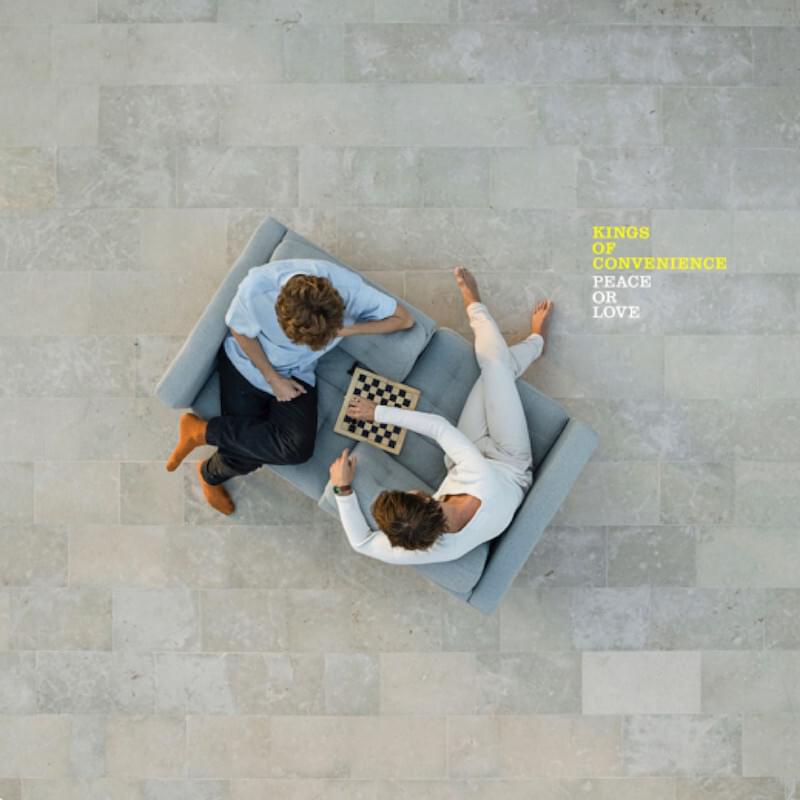
 View Artist