Song Meaning
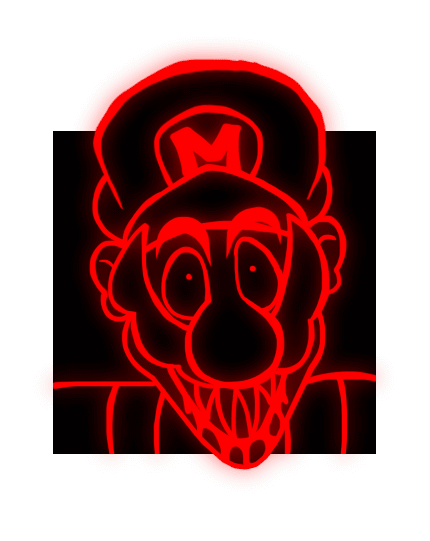
The provided text is dominated by a single, extended vocalization: a maniacal, distorted laugh. This laugh, presented as "HAHAHAHAḤ̷̛̣͈̼̥̳̪̮̘͍͍̞Ȁ̸̢̧̜̘̤͉̦̓̈͗̀̀̈̊͝͠H̷̨͙̩̥͖̰͔̹̪͕̭͆̚͜Ä̶͓̟̤͔̯͑̍̉͑̑̑̈́̾̇̑͊͠H̸̛̫̙̦̺̪̠͈͎̰̱͗̈́͛̂̐̐̃͒̋̈̋̕͝Ä̶̧̘̺͔̥͙̫͙̪̝̱́̓H̵͍̜̦̮̿̈̕̚A̴̼͕̹͖̥̬͉̐̿̾͐̑̇̎̍̆͗͑̇͘̚͜͜H̷̖̩̰͔̘̭̃́͛̐͝Ā̴̢̡͙͍̻̻͚̖̜̼͇̳̙͉̎̅̇̇̎H̸̢͍͎̟̦̆̇̊͑̿́̾̌͝Â̷̡̱̟͖͓̜̝͎͙̘̌́H̶̡͕͖̫̉̈́̉̓͆̂͒͌́͆̾͌̓̕͘A̴͎͚̳͍̩͎̠̪̎͂̓͂̓̂̐̒̎̊͜", suggests an overwhelming, perhaps deranged, sense of triumph or amusement. The sheer length and the inclusion of unusual characters imply a breakdown of normal expression, pushing laughter into something more primal or even terrifying.
The dominant emotional tone is one of unhinged glee. There's no narrative context or contrasting emotion provided, leaving the laughter to stand entirely on its own as the sole expressive element. This singular focus amplifies its impact, making it feel all-consuming and potentially sinister. The repeated 'HA' sounds, distorted and elongated, create a sonic texture that is both familiar and deeply unsettling.
The most striking aspect of this piece is its extreme minimalism and distortion. The use of non-lyrical vocals and the heavily altered laughter transforms a common human expression into something alien. The unusual characters appended to the 'H' and 'A' sounds suggest a digital corruption or a supernatural warping of the voice, pushing the sound beyond recognizable human limits. This deliberate obfuscation of the source sound creates an aura of mystery and unease.
This vocalization is effective because it bypasses traditional lyrical meaning entirely. Instead, it relies on the raw sonic and emotional impact of distorted laughter. The listener is left to infer the source and nature of this overwhelming amusement, which can be interpreted as anything from pure, unadulterated joy to a chilling expression of madness or malevolence. The ambiguity forces an active engagement with the sound, making it linger in the mind.