Song Meaning
The lyrics paint a stark picture of irreversible decisions and the chilling realization of self-confrontation. The opening lines establish a sense of finality, suggesting that certain life paths lead to points of no return, a concept amplified by the idea of lost souls trying to redirect the narrator from nonexistent pasts. This sets a tone of profound disorientation and regret.
The central tension arises from the moment of self-recognition, described as turning to stone upon seeing one's own reflection. This powerful image suggests a paralysis, a petrification brought on by an unflinching look at oneself, perhaps revealing a truth too devastating to process. The subsequent lines about choices with clear intentions but blurred outcomes further underscore this internal conflict, hinting at the lasting burden of decisions made.
The most striking craft element is the repeated, almost mantra-like phrase, "I turned to stone / Once I saw the reflection was my own." This repetition emphasizes the profound shock and immobility experienced. The shift from "turned to stone" to "cast a stone" is particularly potent, signifying a move from passive paralysis to active, albeit destructive, action directed at a "broken home." The lyrics suggest this act is a desperate, perhaps misguided, attempt to break free from the stasis.
These lyrics resonate because they tap into the universal fear of making irrevocable mistakes and the paralyzing effect of confronting one's own complicity. The imagery of turning to stone and casting stones evokes a visceral sense of being trapped and then lashing out, capturing the raw emotional aftermath of profound self-awareness and regret. The "unspoken words" that haunt the future-turned-past imply a deep well of regret and unexpressed feelings that continue to weigh on the narrator.
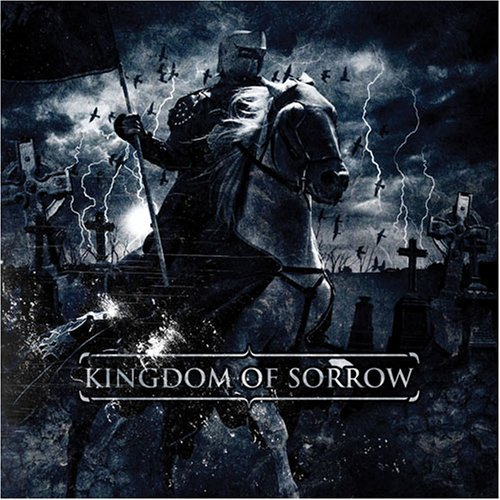
 View Artist