Song Meaning
This song paints a picture of profound solitude, finding solace not in human connection, but in the quiet company of flora. The narrator is "all alone" in an "old greenhouse," actively choosing to "disconnect the phone" and "disappear for hours." This isn't a scene of loneliness, but one of deliberate retreat, where the only place they "feel at home" is among "wild flowers."
The central tension lies in the narrator's rejection of conventional needs and desires. They explicitly state, "I don't need anything else in my life" beyond dancing and composing "love letters to plants." This declaration is radical, positioning a life of quiet cultivation and self-contained joy as complete and fulfilling, eschewing the complexities of human relationships for a simpler, more direct form of affection.
The lyrics cleverly use "microtones" to describe how the garden grows, suggesting a subtle, almost imperceptible influence that fosters life. This is mirrored in the request for "tapes" and "songs" for the flower shop, specifically "electronic joy for my flowerpots." The narrator seeks external stimuli, but only those that are peaceful and nurturing, ensuring "my roots don't rot." It's a fascinating blend of the organic and the electronic, the solitary and the subtly connected.
Ultimately, the effectiveness of these lyrics stems from their gentle subversion of expectation. By framing a life of isolation as a chosen paradise and expressing deep affection for plants, the song offers a unique perspective on contentment. It suggests that fulfillment can be found in the most unexpected places, through a quiet dedication to the natural world and a mindful curation of one's environment.
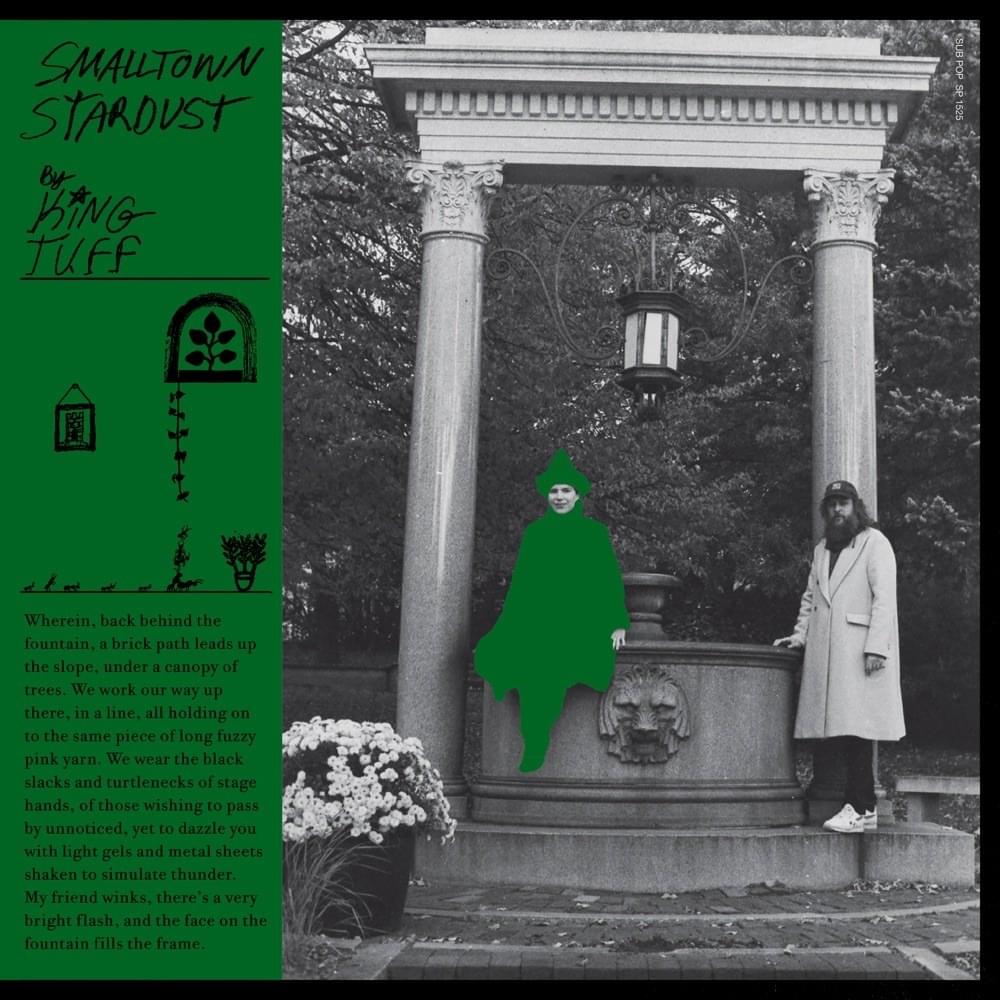
 View Artist