Song Meaning
The lyrics paint a stark picture of exclusion and a desperate plea for inclusion. The narrator’s repeated insistence, "I don't want to," immediately establishes a tone of dread and resistance. This feeling is amplified by the specific fear of being "outside when Zion Gate close," suggesting a critical moment of judgment or transition where access is permanently denied. The urgency is palpable, driven by the desire to be "inside."
The central tension arises from the narrator's observation of someone else's plight: "Woman, can't you see what they / Are doing to you, oh?" This question implies a shared vulnerability and a potential manipulation or harm being inflicted upon the woman, which the narrator witnesses with alarm. It shifts the focus from personal exclusion to a concern for another, hinting that the closing of the gate might be a consequence of external forces acting upon them.
The effectiveness of these lyrics lies in their stark simplicity and potent imagery. The phrase "Zion Gate" evokes a powerful, almost biblical sense of a final destination or a place of ultimate belonging. The contrast between being "outside" and "inside" is not just physical but deeply emotional and spiritual, representing the difference between rejection and acceptance. The direct, almost childlike repetition of "I don't want to" underscores a primal fear of being left behind.
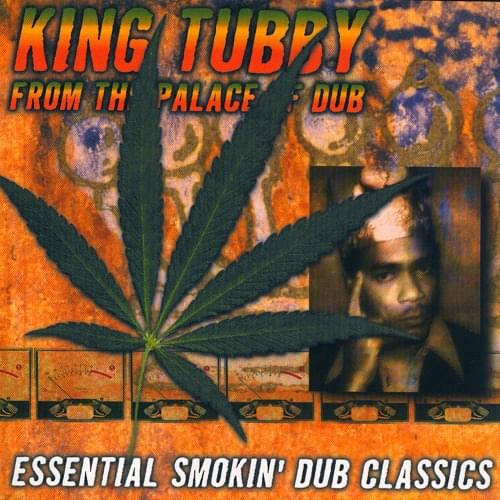
 View Artist