Song Meaning
The lyrics paint a picture of a domestic scene, tinged with a yearning for connection and a sense of personal failing. The narrator wants to see someone "dressed all in white," a potentially symbolic image that could suggest purity, a special occasion, or even a bridal aspiration. This figure is elevated to "queen of my living room," highlighting an intimate, almost worshipful gaze within a confined, familiar space. The desire for closeness is palpable, expressed through wanting to dance with "hands on mine" and be "next to you," all while the other person "smoke[s] like you're savin' my life," a striking image that implies a desperate dependence or a captivating, perhaps self-destructive, habit.
The core tension arises from the narrator's self-awareness of fault and a struggle for self-improvement. The repeated admission, "And it's all my fault (I know)," coupled with the plea, "I wanna be yours (For sure)," establishes a dynamic of seeking validation and belonging. This is underscored by the vulnerable confession, "I wanna be good / But it's gonna take time," suggesting a recognized flaw or addiction that requires effort to overcome. The request to "steal all my cigarettes, tell me that I'm the best" reveals a complex dynamic: a desire for the other person to take control of a destructive habit while simultaneously seeking reassurance and affirmation of their own worth.
The craft here lies in the juxtaposition of grand pronouncements with mundane reality. The narrator declares themselves "queen of this crowded room," yet the setting is clearly intimate and perhaps stagnant, defined by a "living room" and a single "drink at a time." This contrast between self-perception and the implied reality creates a sense of internal conflict and perhaps a touch of delusion or aspiration. The repeated "I wanna" phrases – "I wanna see you," "I wanna dance," "I wanna be yours," "I wanna be good" – emphasize a persistent, almost desperate, longing that drives the emotional weight of the lyrics. The simple, direct language makes the narrator's internal struggles feel immediate and raw.
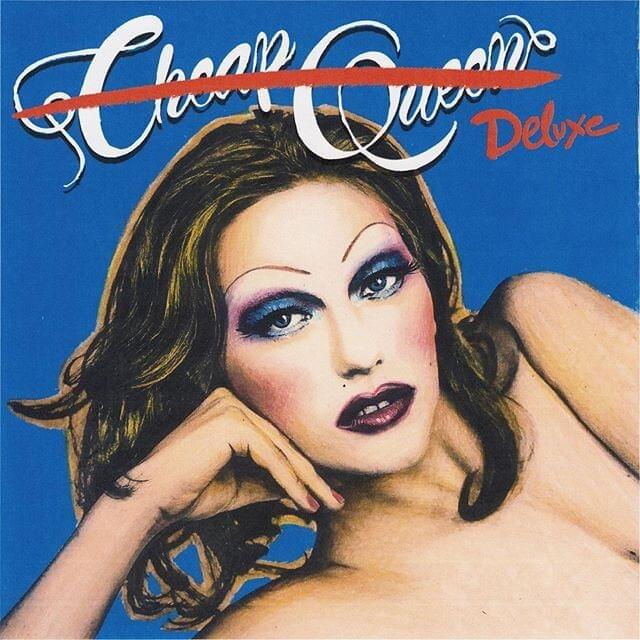
 View Artist