Song Meaning
The lyrics paint a picture of resilience and a call for change, starting with a powerful, almost defiant assertion of self. The narrator claims an ability to withstand hardship, stating, "I don't dissolve when underwater." This sets a tone of enduring struggle, suggesting a past filled with difficulty, where they "had to crawl before I flew to Earth" and left "stains upon my garment." Yet, there's a refusal to be defined by these marks, opting instead to "paint it with my blue Denim," a subtle nod to self-expression and identity that transcends past damage. The imagery of a "stronger stallion" emerging from trials emphasizes a growth in power and determination.
The core tension arises from a perceived disconnect between the narrator's community and the dominant societal narrative. The lyrics highlight a communication barrier: "They don't speak our language / And they don't seek out change / Even though it's constant." This suggests a frustration with those who are unwilling or unable to understand the lived experiences and struggles of the narrator's people. The question, "Where's they conscience?" directly challenges the moral compass of this oblivious group, pointing out their failure to acknowledge the "pain" and the systemic injustices that persist, likening it to a modern form of "slavery."
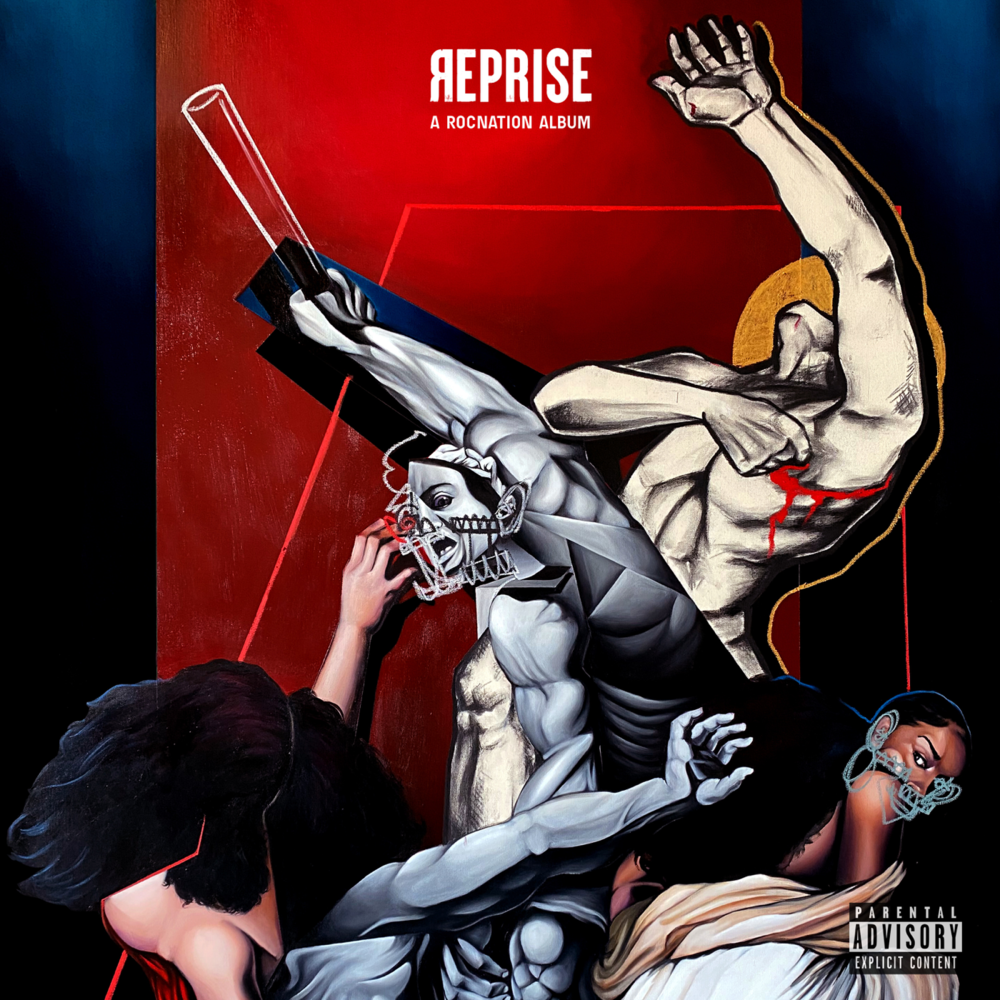
A particularly striking element is the critique of historical and religious representation. The line, "They paint our savior pale / And teach us to praise a man that shares no resemblance," directly confronts the erasure and misrepresentation of Black identity in mainstream culture and religious iconography. The narrator asserts their own physical reality, "Must have a broader nose if I was molded in his image," reclaiming a sense of self and challenging the imposed ideals. This personal evolution is framed as a conscious choice: "In all my evolution, I've been everything but timid."
Ultimately, these lyrics resonate because they articulate a deep-seated frustration with societal blindness and historical injustice, coupled with an unyielding spirit of self-preservation and a demand for recognition. The call to "Escalate / Elevate and raise vibrations" from Ambré's chorus acts as a powerful counterpoint to the detailed grievances, transforming the pain into a catalyst for a necessary "revolution." The writing grounds its emotional weight in specific, relatable struggles and sharp critiques of representation, making the call for change feel earned and urgent.