Song Meaning
The lyrics paint a picture of a solitary figure, the "space cadet," ascending above the mundane world of rooftops. There's an immediate sense of detachment and a quest for something beyond the ordinary, a search for "distant forms of life." This ascent is framed by a powerful, almost defiant declaration: "In Lucifer's dreams, no one's holding me down." This phrase, repeated for emphasis, suggests a liberation found in a realm free from constraint, perhaps a dark or unconventional paradise.
The central tension lies between this yearning for transcendence and the implied isolation of the "space cadet." While the figure is "lost in his search," the freedom experienced in "Lucifer's dreams" is intensely personal and possibly solitary. The repeated line underscores a desire to break free from any external forces, but it also hints at a potential loneliness in that ultimate freedom.
The most striking element is the juxtaposition of the whimsical "space cadet waltz" with the darker, more potent imagery of "Lucifer's dreams." This contrast elevates the narrative from a simple flight of fancy to a more complex exploration of freedom and its potential costs. The lyrics suggest that true liberation might exist in unconventional, even forbidden, spaces, where the usual rules and limitations no longer apply.
Ultimately, the effectiveness of these lyrics stems from their evocative imagery and the potent, albeit ambiguous, promise of absolute freedom. The "space cadet" becomes a figure who dares to seek the extraordinary, finding solace in a self-defined existence, even if that existence is tinged with a certain darkness. The repeated assertion of being unheld resonates as a powerful statement of personal autonomy against any perceived limitations.
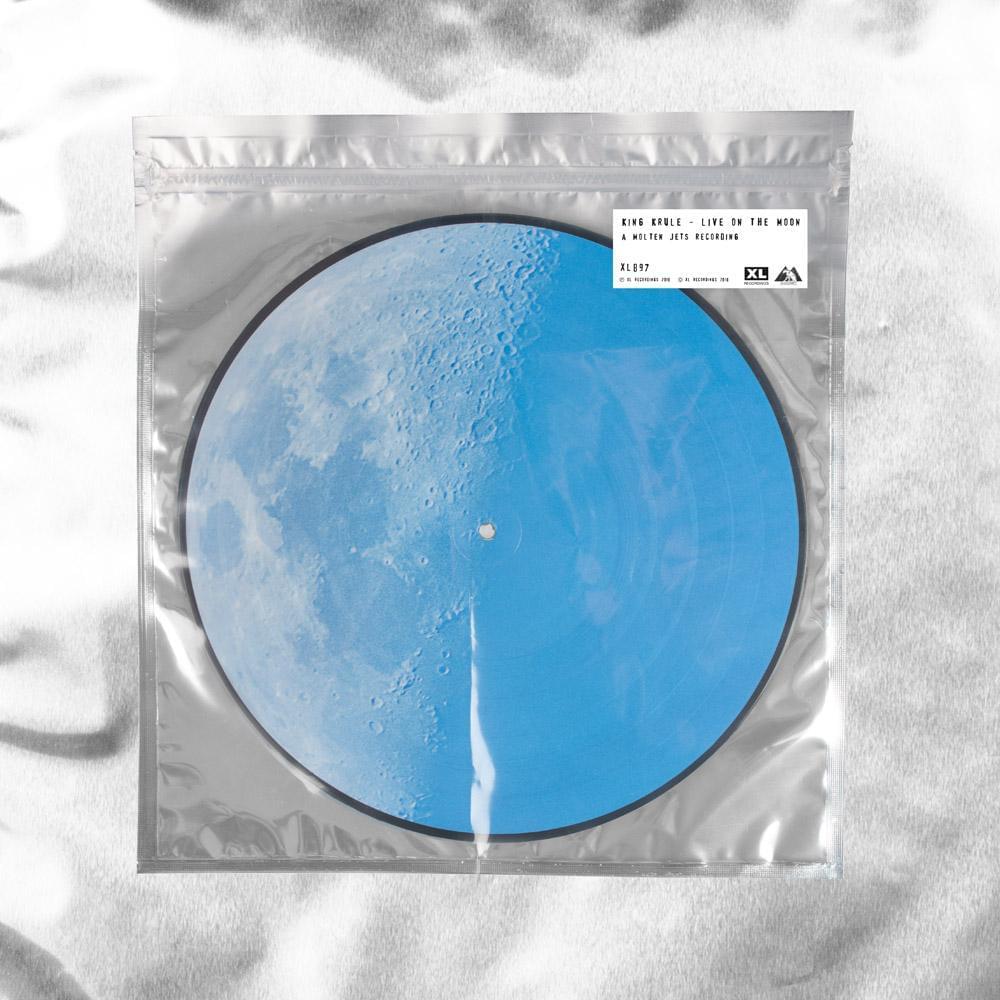
 View Artist