Song Meaning
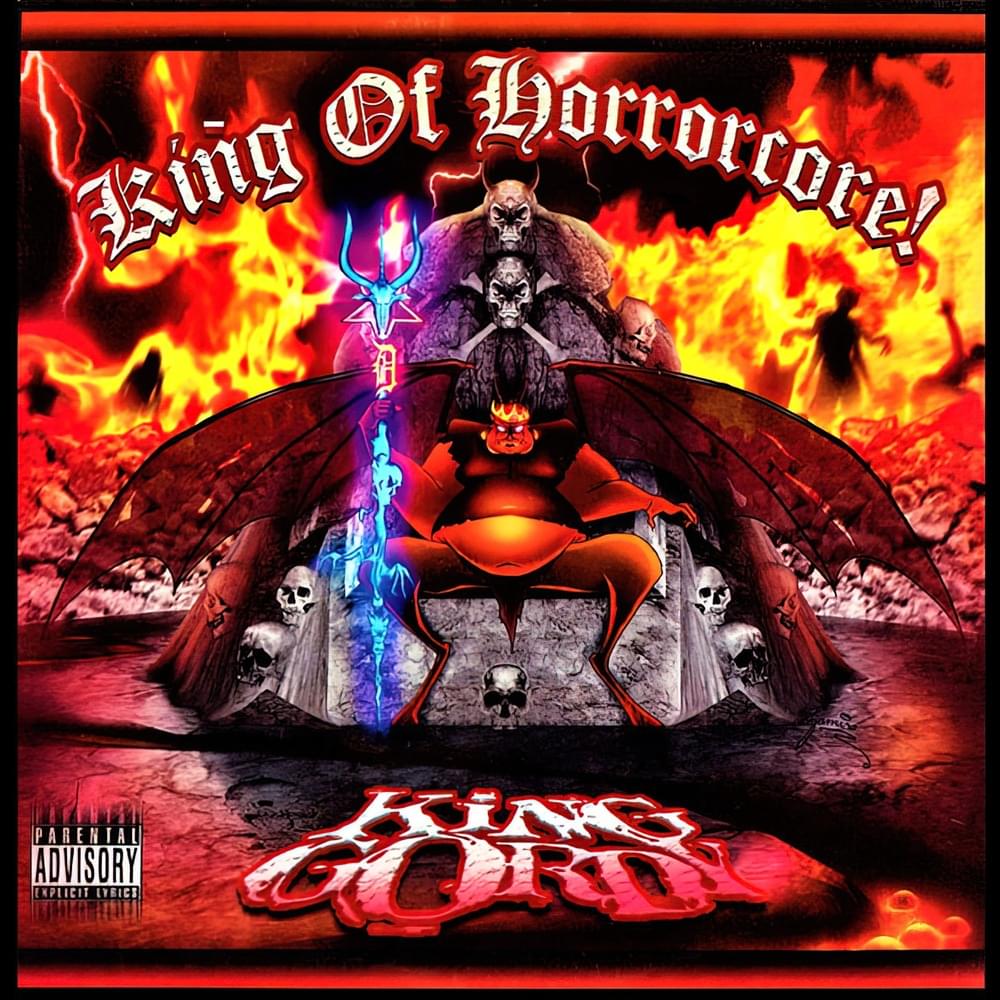
King Gordy's "Hey" is a brutal, concentrated blast of horrorcore nihilism. The track, stripped down to its core elements, functions less as a conventional song and more as a primal scream from the abyss. Gordy introduces himself with a series of shouted affirmations, aligning himself with Kurt Cobain and declaring his reign over the horrorcore genre. This isn't mere boasting; it's a staking of claim in a landscape of extreme expression. The repetition of "Hey!" acts as both a rallying cry for his followers and a mocking taunt to anyone who dares to listen. It's confrontational, designed to unsettle and disturb. The intro sets the stage for the lyrical onslaught that follows.
The verse dives headfirst into a stream of consciousness that blends boasts of lyrical prowess with shockingly violent imagery. Gordy juxtaposes his "splendid" mind and gifted rhymes with suicidal ideation and graphic depictions of murder. The line "Suicide is sicker" is particularly chilling, suggesting a fascination with death that goes beyond mere morbidity. He fantasizes about driving a car full of friends into a ditch, reveling in their dying struggles before stabbing them. This isn't just violence for shock value; it's a manifestation of deep-seated rage and a desire for annihilation. The sudden shifts in tone and subject matter create a sense of unease, mirroring the fractured psyche of the narrator. The graphic descriptions of violence are not merely gratuitous; they are intended to confront the listener with the darkest aspects of the human condition.
The chorus, a simple and repetitive call-and-response of "Hey You! Bitch!" further amplifies the song's confrontational nature. It's a demand for attention, a sneering challenge to anyone within earshot. The use of the word "bitch" is deliberately provocative, intended to offend and alienate. Yet, within this aggression, there's also a twisted invitation: "Lemme hear you sing!" It's as if Gordy is demanding that his audience join him in his descent into madness, to embrace the darkness and sing along with his twisted vision. The song’s meaning, therefore, lies not just in the explicit violence of the lyrics, but in the psychological warfare it wages against the listener, forcing them to confront their own capacity for darkness and depravity.
 View Artist