Song Meaning
This scene paints a stark, almost apocalyptic farewell. The narrator observes the dying embers of a monstrous entity, the "acrid Balrog corpse," which mirrors its fiery origin as it smolders. This dramatic visual is immediately juxtaposed with the serene, natural phenomenon of the setting sun, its light blending with the dying flames. The transition from day to night is marked by a fleeting, almost defiant "final clap of light" before the "moonless night" swallows everything.
The central tension lies in the departure of a powerful, perhaps malevolent, force – the "Lightning Lord." His escape signifies an end, but not necessarily a peaceful one, as he flees into a darkness devoid of celestial guidance. The imagery of the Balrog's corpse fading alongside the sun suggests a world where immense, destructive powers are extinguished, yet the encroaching darkness implies that the threat is merely shifting, not vanquished. The "moonless night" amplifies this sense of unease and finality.
The most striking craft element is the personification and grandiosity applied to both the dying beast and the escaping figure. The Balrog's corpse doesn't just burn; it "smoulders just like it began," giving it a cyclical, almost intentional quality. The "Lightning Lord" isn't just leaving; he "escapes," and his departure is punctuated by a "final clap of light," a dramatic flourish that feels both theatrical and ominous. This elevated language transforms a potential battle aftermath into a mythic tableau.
What makes these lyrics resonate is their potent blend of the epic and the desolate. The vivid, fiery imagery of the Balrog's end, contrasted with the encroaching, absolute darkness, creates a powerful emotional arc. The narrator, a "Reticent Raconteur," seems to be recounting a moment of profound change, where immense power fades and a new, uncertain darkness descends, leaving a lingering sense of awe and foreboding.
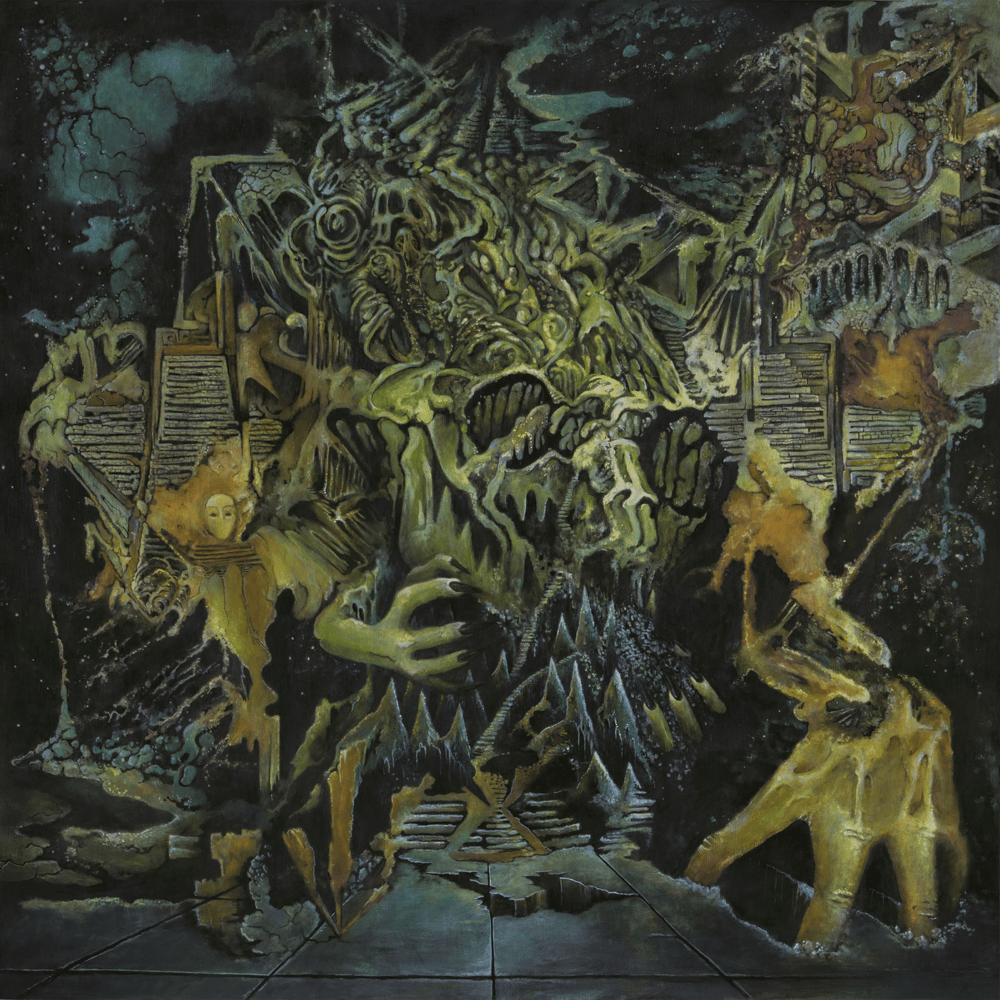
 View Artist