Song Meaning
The lyrics paint a picture of pervasive unease, starting with mundane troubles at the office and bank that escalate into a profound sense of unreality. The narrator feels disconnected, recalling a distorted memory of a "drum take clicked out on the tape too slow," suggesting a life lived slightly out of sync. This feeling is amplified by observing "obsessions and curled toes" and a "death line" that indiscriminately affects everyone, casting a shadow over even the natural world, as the "tree line looks over like a bending ghost."
The central tension arises from the narrator's struggle to navigate a world that feels both intensely real and deeply artificial, marked by a pervasive sense of boredom and the shock of unexpected loss. The phrase "no one saw it coming, everyone was shocked" points to a collective trauma or sudden realization of mortality. This leads to a cautious, almost fearful engagement with the world, symbolized by bumming a helmet, gripping a bike lock, and taking "side streets" with "eyes closed," a desperate attempt to control a reality that feels dangerously fleeting, as "it only takes a second to pass."
The most striking craft element is the juxtaposition of "really nice people" with profound sadness and loss. The narrator has received "smart things" and comfort, yet also experienced the "bummer" of someone "in this bed next to me" and the painful necessity to "tell me goodbye." This contrast highlights the isolating nature of grief and disillusionment; even well-intentioned interactions can't bridge the gap of personal suffering. The act of singing "life in circles" through "outrages" and giving a "wish to a nickel" to "stay positive" underscores a resigned, almost performative attempt to cope with overwhelming emotional currents.
Ultimately, these lyrics resonate because they capture a specific kind of modern anxiety: the feeling of being adrift in a world that is simultaneously overwhelming and hollow. The writing effectively uses mundane details to anchor existential dread, making the narrator's struggle to "stay positive" feel both poignant and deeply earned. The subtle shifts from external pressures to internal emotional landscapes, marked by vivid but fleeting images, create a powerful sense of shared, unspoken melancholy.
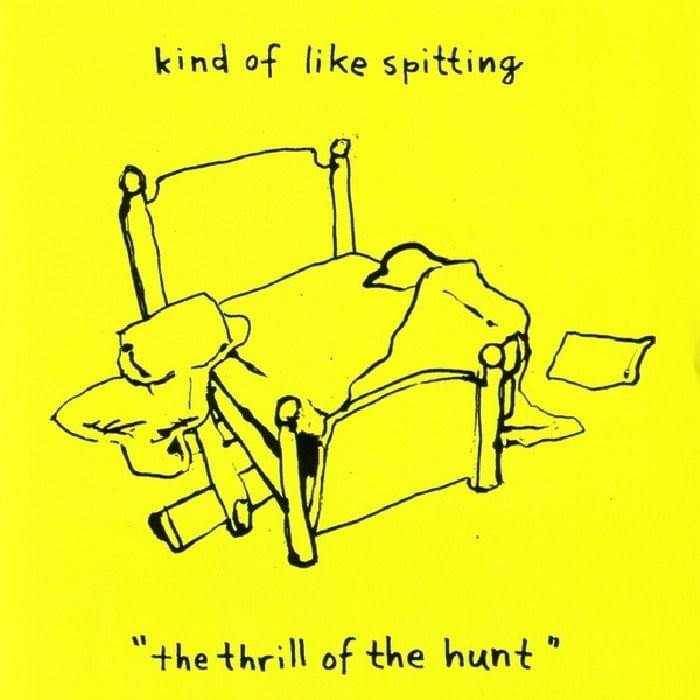
 View Artist