Song Meaning
The lyrics paint a picture of someone grappling with a profound sense of self-loss, feeling fragmented and unrecognizable. The repeated phrase "I'm afraid of all the things / That I am not anymore" immediately establishes a tone of anxiety and disorientation. This isn't just a bad mood; it's a feeling of fundamental change, leaving the narrator feeling "scattered trying to find the parts of me / On the floor." The repetition emphasizes the persistent, overwhelming nature of this internal struggle.
The central tension lies in the narrator's vulnerability and the supportive presence of another person. While the narrator admits to "get[ting] like this," they also express a deep reliance on this other individual. The core promise is a shared endurance: "You and I / Will crawl until we both get up again." This isn't about a quick fix or a sudden recovery, but a slow, arduous process of mutual support through difficult times, acknowledging the shared exhaustion: "Even though we're getting tired, so tired."
The most striking aspect is the contrast between the narrator's internal chaos and the external efforts to bring them back to stability. The other person "make[s] a list of pretty things" and deals the "cards," actions that seem designed to gently steer the narrator away "from the dark." This external care is met with a passive acceptance, where it's "better when I seem to drift away," suggesting a struggle to actively participate in their own healing. The repeated "bless your heart" could carry a complex mix of genuine gratitude and perhaps a touch of weary resignation.
Ultimately, the effectiveness of these lyrics stems from their raw depiction of mental or emotional struggle and the quiet power of steadfast companionship. The repeated reassurance, "I'm always fine," echoes throughout the final section, but its context, following the admission of being "tired" and the shared act of "crawling," suggests it's more of a hopeful mantra or a statement of the other person's belief, rather than a current reality. It highlights how external validation and consistent support can be a lifeline, even when the internal landscape feels broken.
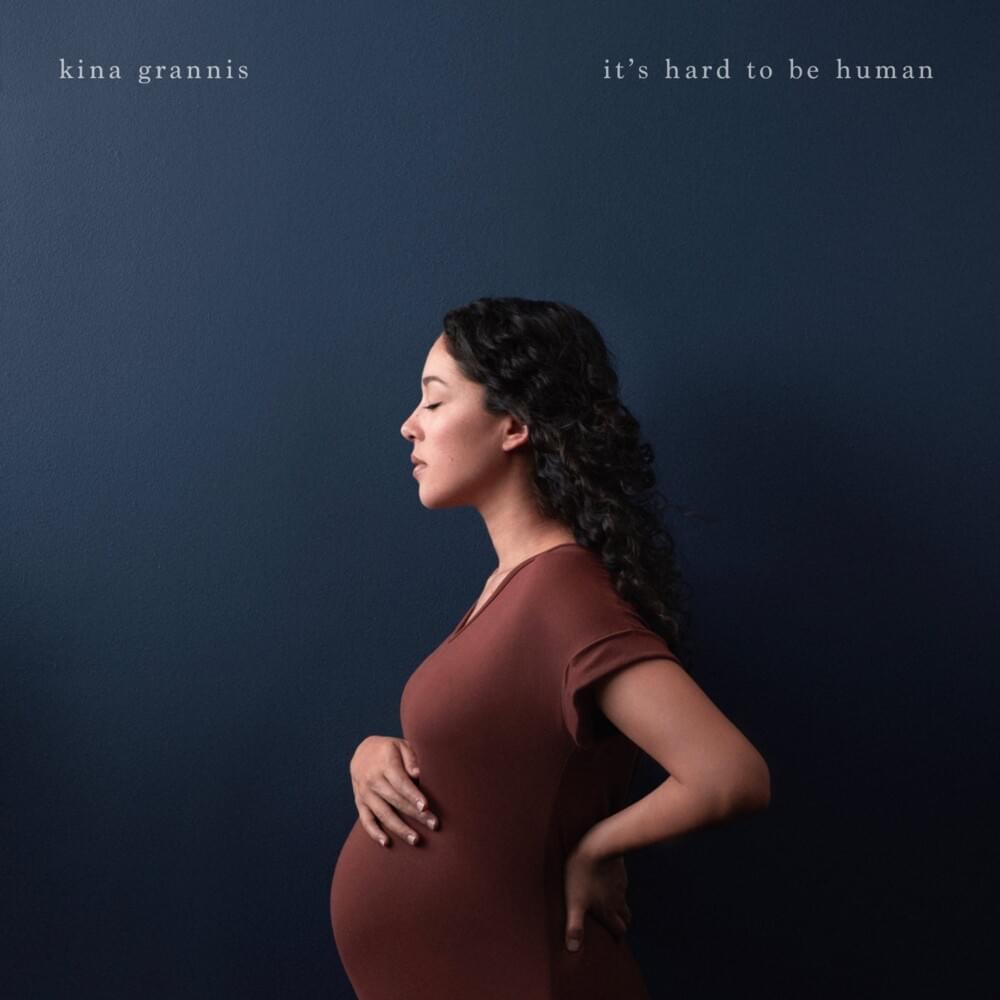
 View Artist