Song Meaning
These lyrics immediately plunge into a stark truth: we are "fragile like glass," easily shattered. This vulnerability leads to a painful paradox, as people "scratch each other" even while desperately burrowing into one another's warmth. It's a vivid image of seeking comfort that inadvertently causes harm, setting a tone of bittersweet struggle.
The central emotional tension lies in the lyrics' definition of "happiness." It's not a gentle bloom but a "thorny flower" that grows on "tears," entangled like vines. The narrator suggests we name this painful, intertwined existence "happiness," a powerful and unsettling idea that acknowledges suffering as an intrinsic part of joy. This isn't a simple, easy happiness, but one forged in the crucible of shared vulnerability and hurt.
A particularly striking craft element is the shift in perspective regarding harm. Initially, the lyrics describe people scratching "each other," but later, the focus turns inward: we "scratch oneself." This suggests an internalization of pain, a self-inflicted wound that arises from the same fragility. The later chorus also shifts from entanglement to being "entangled like a maze," not knowing where one stands, yet still compelled to live on, clinging to the hope of finding something.
Ultimately, these lyrics are effective because they refuse to sugarcoat the human condition. They lay bare the inherent contradictions—the longing for connection that brings pain, the loneliness felt even in closeness, and the confusion of existence. Yet, despite all this, the repeated declaration, "life is beautiful," feels less like a naive platitude and more like a quiet, resilient, perhaps even ironic, acceptance of life's complex, thorny beauty.
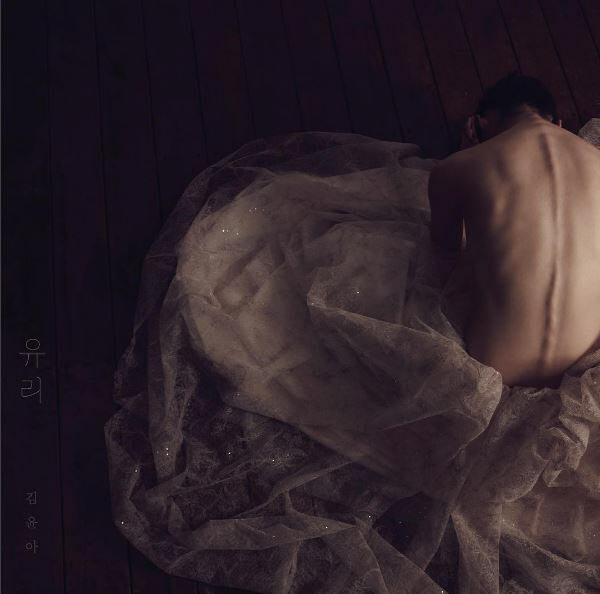
 View Artist