Song Meaning
Kim Wilde's "Shoot to Disable" isn't a plea for mercy, but a sardonic demand for efficiency in heartbreak. The opening lines, "Mirrored in your face/Is a look that says it all," establish a dynamic where the narrator is catching up, realizing the relationship's demise only through the other person's weary expression. There's a layer of self-awareness, even self-deprecation, as she admits, "Boy I'm slow/I've been uncertain/Just couldn't be sure/Now I know." This isn't naive shock, but the resigned understanding of someone who's been avoiding the inevitable. The song meaning rests on this central irony: the narrator is less wounded by the breakup itself, and more by the drawn-out, almost cowardly way it's being executed.
The chorus, "Shoot to disable," is the core of the song's psychology. It's a metaphor for a clean, decisive break, contrasting with the partner's apparent reluctance to fully commit to the ending. The repetition emphasizes the narrator's impatience. She'd rather be wounded quickly and cleanly than slowly bled dry by ambiguity. Lines like, "You're such a hard man/Why can't you take steady aim," highlight the perceived weakness of the partner, who is unable to deliver the final blow directly. The phrase "shoot to disable" itself suggests a desire to cripple the relationship, preventing any chance of revival, rather than utterly destroying it. This implies a lingering attachment, or perhaps a pragmatic understanding that complete erasure is impossible.
The underlying tone is one of controlled frustration, bordering on contempt. The narrator isn't begging for the relationship to be saved; she's urging the other person to get it over with. The bridge, with the lament "Oh what a fool I was to love," feels less like genuine regret and more like a final, exasperated acknowledgement of her own misjudgment. Kim Wilde delivers this song with a cool detachment that underscores the psychological complexity of the lyrics analysis. It's a portrait of someone navigating a breakup with a blend of vulnerability and a desire to maintain control, even as the relationship crumbles.
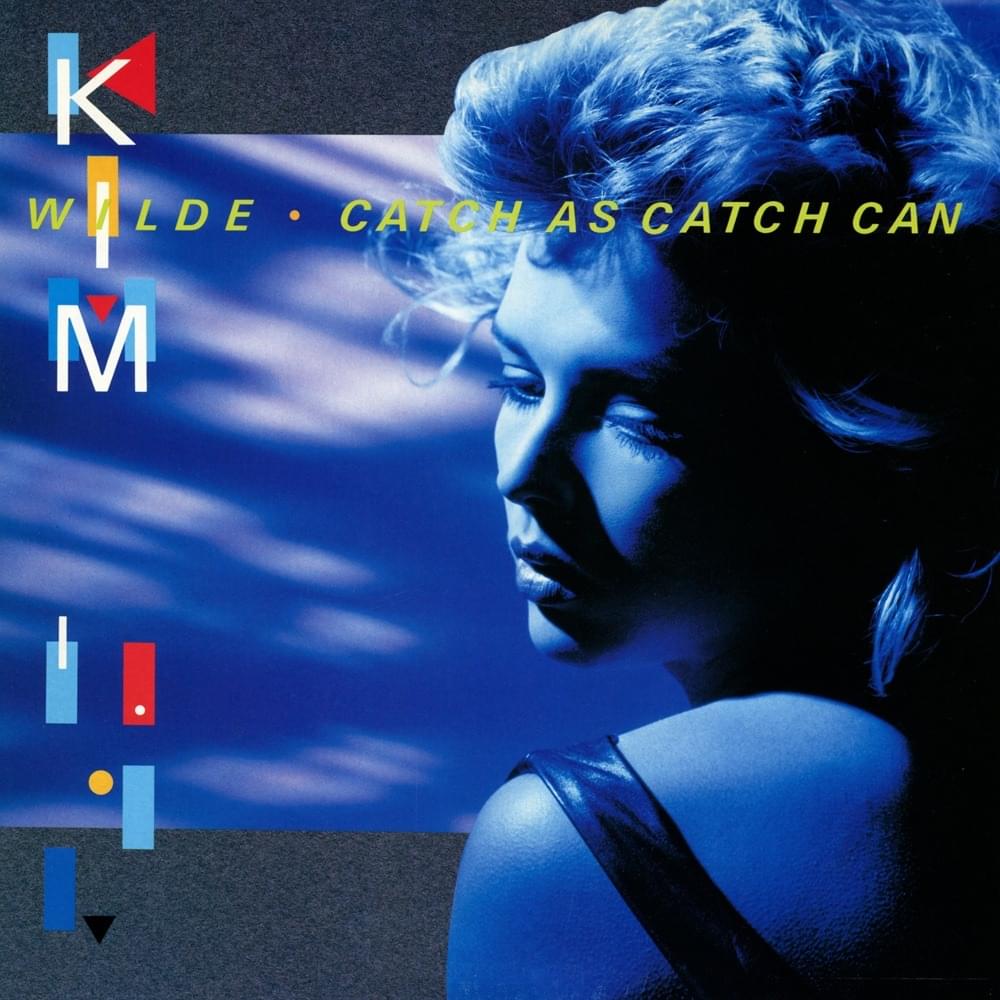
 View Artist