Song Meaning
The lyrics invite us to peer into a faded photograph, a "litografi fra 1910," capturing a moment frozen in time at a cafe as snow begins to fall. The narrator is observing this scene, setting a contemplative and somewhat melancholic tone. The image itself becomes a portal, allowing the narrator to project narratives onto the figures depicted, transforming a static image into a dynamic story.
The central tension arises from the imagined inner lives of the people in the picture. We see a "unge mand i uniformen" infatuated with a woman who seems oblivious, "hun passer sig selv." Meanwhile, another woman is lost in "romantik," yearning for someone she "aldrig fik," finding solace in dancing. The final figure, "den sidste et vist fuld," appears detached, staring into the air, perhaps counting down moments or lost in his own thoughts. Each character is presented with an unfulfilled desire or a private world.
The most striking craft element is the persistent repetition of "PÃ¥ et litografi fra 1910." This phrase acts as an anchor, constantly reminding us that these are not real-time observations but interpretations projected onto a historical artifact. It emphasizes the distance between the narrator and the subjects, and the inherent limitations of understanding them fully. The snow outside, a visual detail from the lithograph, adds a layer of quiet, cold beauty to the scene, mirroring the emotional distance and unspoken stories.
These lyrics resonate because they tap into the universal human experience of looking at old photographs and imagining the lives and emotions of those captured within. The narrator's projections, while specific to the depicted figures, touch upon themes of unrequited love, lost opportunities, and solitary contemplation. The repeated refrain grounds these imaginings in the tangible reality of the lithograph, highlighting how art and memory allow us to connect with the past, even as we acknowledge the unbridgeable gap of time and individual experience.
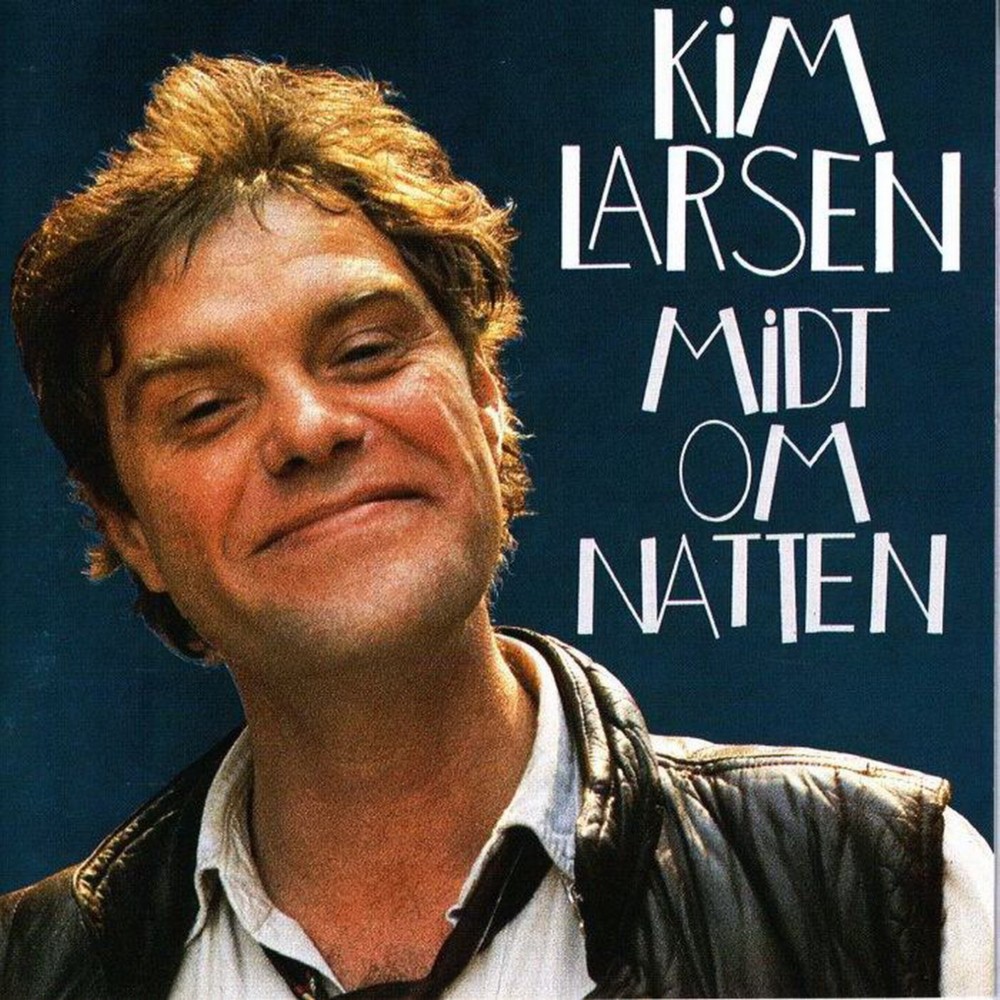
 View Artist