Song Meaning
This song paints a vivid picture of regret and longing, centered on a past relationship. The narrator wishes they could revisit a specific moment, yearning to be the person their former lover needed. The core desire is to undo past mistakes and reclaim a lost love, driven by the pain of what could have been. It's a deeply introspective plea, looking back with the wisdom of hindsight.
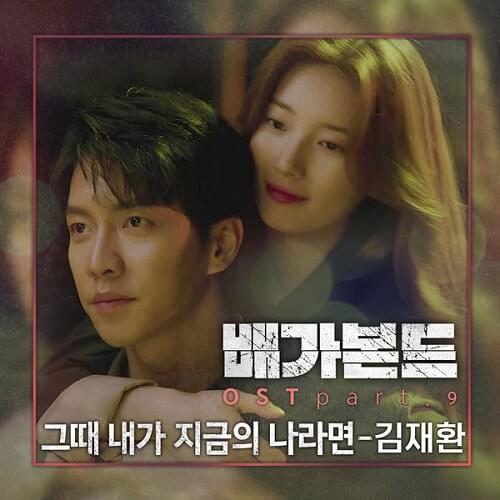
The central tension lies in the narrator's present self confronting their past actions, or inactions. They imagine being a different version of themselves – one who was more attentive and understanding – to prevent the separation. This imagined self is capable of holding onto the person they lost, suggesting a profound sense of missed opportunity and a desire to mend the "scars" left behind. The repeated phrase "그때 내가 지금의 나라면" (If I was me back then) underscores this central conflict.
The lyrics masterfully use contrasting imagery to highlight the narrator's regret. They wish to be a constant presence, like the sun or stars, yet acknowledge their past failure to "hold on." The realization that "the prettiest memory is the most painful" is a poignant craft choice, revealing how cherished moments are now sources of anguish due to the loss. This paradox fuels the song's emotional weight.
Ultimately, the song resonates because it taps into the universal human experience of looking back and wishing for a do-over. The narrator's desire to turn back time and love again is a powerful expression of enduring affection and the pain of irreversible choices. The plea to be seen and to have a second chance, even if only in memory, is what makes this a moving reflection on love and loss.
 View Artist