Song Meaning
Kim Carnes’s “Touch And Go” isn’t just another 80s synth-pop tune; it's a tightly coiled exploration of emotional manipulation and the precarious balance of a relationship on the brink. The sonic brightness, typical of the era, is a deceptive mask for the lyrical tension bubbling beneath. The song's central theme revolves around a push-and-pull dynamic, where one partner seems intent on controlling the other's emotions, draining them dry while simultaneously fearing their departure. This is a classic manifestation of insecure attachment, a desperate attempt to maintain control fueled by an underlying fear of abandonment. The line, "You drain my emotion, but I will not let it show," speaks volumes about the narrator's self-preservation tactics in the face of this emotional vampirism. It's a calculated defense mechanism, a refusal to surrender vulnerability to someone who weaponizes it.
Carnes cleverly juxtaposes this turbulent present with the lingering influence of traditional, almost archaic, advice. The mother's words, urging purity and caution, act as a stark counterpoint to the messy reality of the narrator's relationship. This contrast highlights the societal pressures placed upon women to conform to certain ideals, even as they navigate complex and often contradictory emotional landscapes. The repeated phrase "touch and go" isn’t just a catchy hook; it encapsulates the precarious nature of the situation. Each interaction, each emotional exchange, is a gamble, a moment where the relationship could either solidify or shatter completely. The singer recognizes the razor's edge she's walking on.
The slow reactions mentioned in the lyrics point to a frustrating disconnect, a lack of genuine empathy or understanding from the partner. This sluggishness in response serves to further agitate and disorient the narrator, amplifying the feeling of being manipulated. The song's brilliance lies in its ability to portray this intricate web of emotions without resorting to melodrama. It's a cool, calculated dissection of a toxic dynamic, delivered with a deceptively upbeat tempo that only heightens the sense of unease. Kim Carnes uses the sonic landscape of the 80s to highlight the fragility and sometimes cruel nature of human connection, leaving the listener to ponder the true cost of emotional gamesmanship.
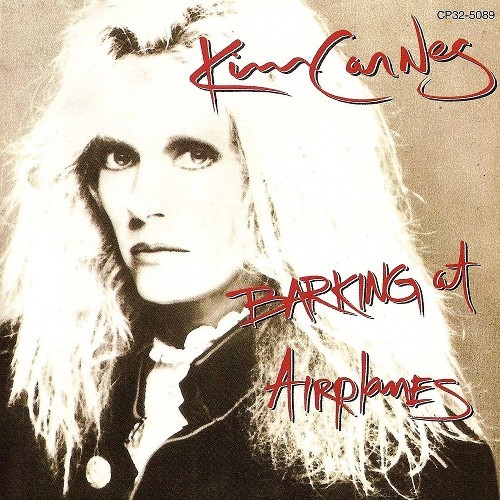
 View Artist