Song Meaning
The narrator's love was once "unconditional," a pure and unwavering force. However, this devotion was met with the partner's "promiscuous" behavior, leaving the narrator with a painful "residual." The contrast between the narrator's selfless love and the partner's actions creates a profound sense of betrayal and disillusionment. The repeated assertion of "ridiculous" underscores the narrator's current state of disbelief and humiliation, questioning the very nature of their past feelings.
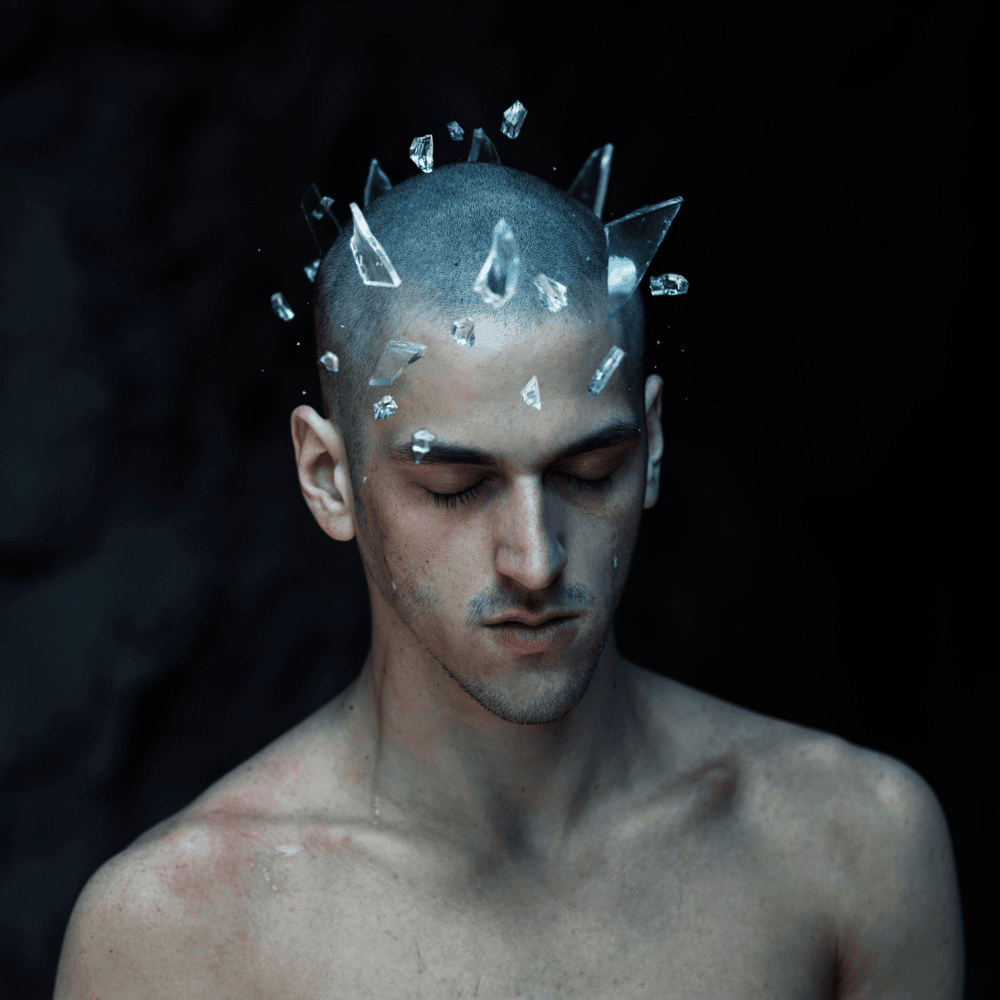
The lyrics paint a picture of profound emotional devastation, suggesting a descent into darkness. Phrases like "darkest night has yet to come" and "forsaken light" evoke a sense of impending doom and loss of hope. The narrator's plea to "remove my eyes" and "cut out my tongue" signifies a desperate desire to shut out the painful reality and silence the voice that once sang of love, now forced to sing of this sorrow. This imagery highlights the extreme emotional pain inflicted, rendering the narrator unable to perceive or express anything but their suffering.
The second chorus reveals the narrator's past vulnerability, admitting they "wore my heart on my sleeve for too long." This openheartedness is now a source of pain, as they are "torn apart at the seams." The question "How far away will we be when I die?" speaks to a deep-seated fear of abandonment and isolation, amplified by the overwhelming grief that makes it "hard to see." The repetition of "for too long" and "now I'm gone" emphasizes the finality of this emotional breakdown and the irreversible damage done.
Ultimately, the effectiveness of these lyrics lies in their raw portrayal of a love that curdled into despair. The stark juxtaposition of "unconditional" love against "promiscuous" actions, coupled with the visceral imagery of self-inflicted blindness and silencing, creates a potent emotional impact. The narrator's journey from pure devotion to utter desolation, marked by tears and a fear of dying alone, resonates through the direct and unflinching language, making the pain feel palpable and deeply personal.
 View Artist