Song Meaning
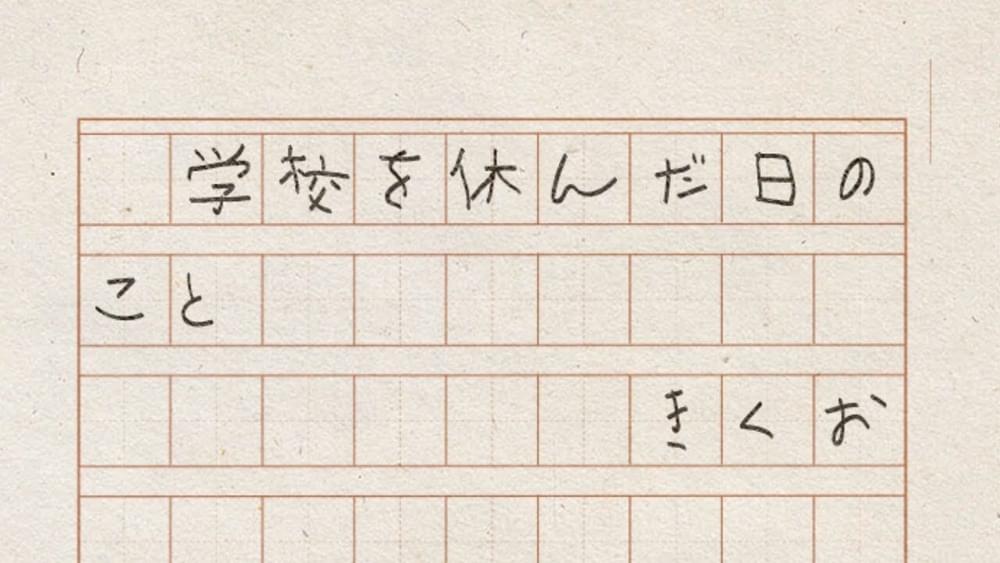
The lyrics paint a picture of isolation on a day the narrator was absent from school. The immediate feeling is one of being left behind, with the narrator imagining their peers carrying on normally, laughing and sharing experiences. This creates a stark contrast between the narrator's solitude and the presumed camaraderie of the group. The core tension arises from this perceived exclusion and the desperate desire to be included.
The narrator's plea, "おしえて、おしえて" (Tell me, tell me) and "おいてかないで、おいてかないで" (Don't leave me behind, don't leave me behind), reveals a deep-seated fear of missing out and being forgotten. This isn't just about academic content; it's about social connection and belonging. The repeated question, "きみはどう" (How about you?), suggests a yearning for direct interaction and reassurance from their peers.
The most striking element is the repeated, almost whispered, realization: "仲間はずれも探してる" (I'm looking for the outcasts too). This line dramatically shifts the perspective. It suggests that the narrator's absence isn't just a passive state of being left out, but an active, albeit perhaps subconscious, search for others who might also feel on the fringes. It hints at a complex internal state, where the desire for inclusion might be intertwined with an identification with those who are already outside.
This lyrical construction is effective because it moves beyond simple sadness. The shift to seeking out other