Song Meaning
The lyrics paint a picture of a night where darkness brings a strange kind of relief. As the sun sets, the narrator's "dark heart" finds ease, becoming one with the mountain's shadow under the moonlight. This isn't a typical celebration; it's a descent into a hidden, perhaps internal, world.
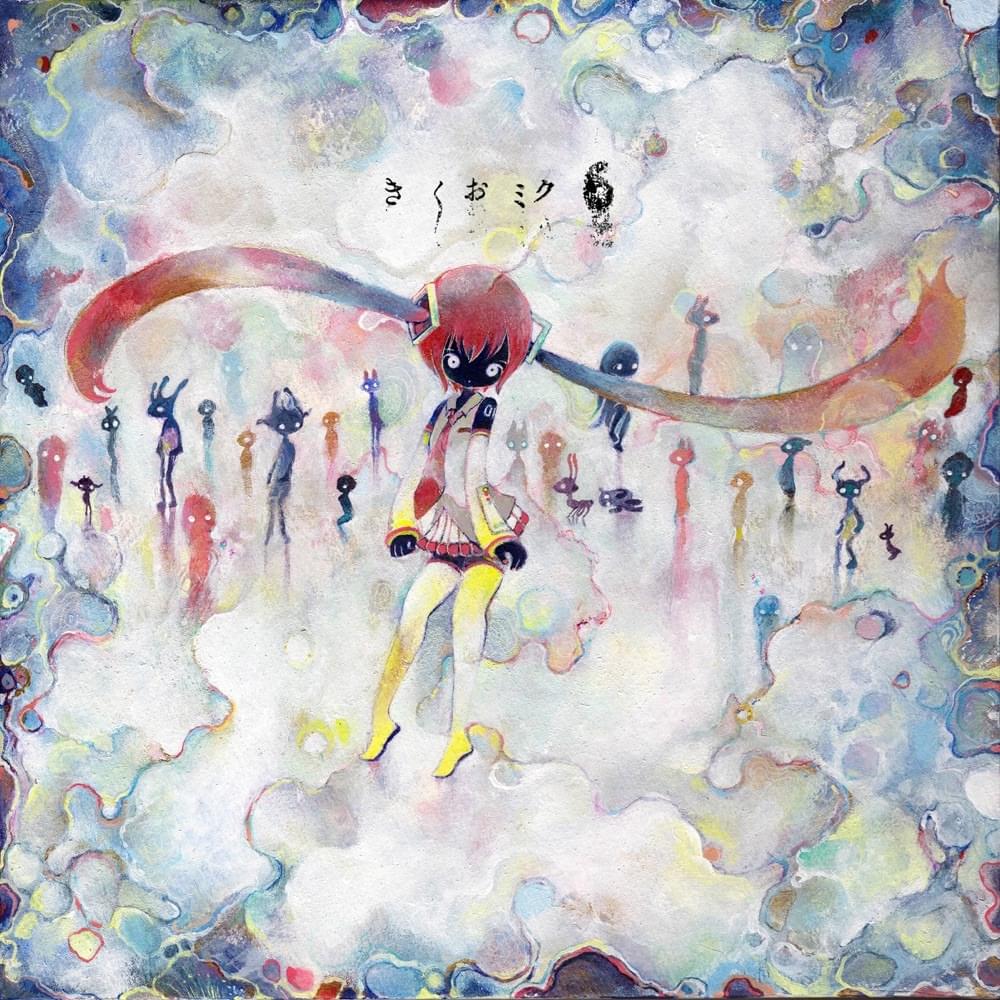
The central tension arises from the invitation to embrace the "darkness" and its inhabitants. The chorus acts as a playful yet eerie call to action, urging listeners to follow the sound of the drums towards the "ghosts" and "demons." There's a sense of leaving the physical self behind, a "抜けてゆきましょ体から" (let's escape from the body), suggesting a spiritual or psychological transcendence.
The contrast between drought and shadow is particularly striking. When "droughts continue" (日照りばかりが続く日), the "dark heart" accumulates, implying that prolonged hardship or emotional dryness leads to a build-up of inner turmoil. The "lonely night" then becomes a "kaleidoscope" (さみしい夜は万華鏡), a fragmented and perhaps distorted reflection, where "all the moons" (よろずの月に) seem to burn. This imagery suggests a night where internal struggles are amplified and made visually complex.
This song's effectiveness lies in its ability to evoke a specific, unsettling atmosphere through simple, almost childlike language mixed with darker themes. The repetition of the chorus, with its playful yet ominous commands, creates a hypnotic effect. It draws the listener into a world where the "dark" is not necessarily evil, but a place of release and transformation, a "festival of the dark" where one can "dance and turn" (おどろ まわろ) in the shadows.