Song Meaning
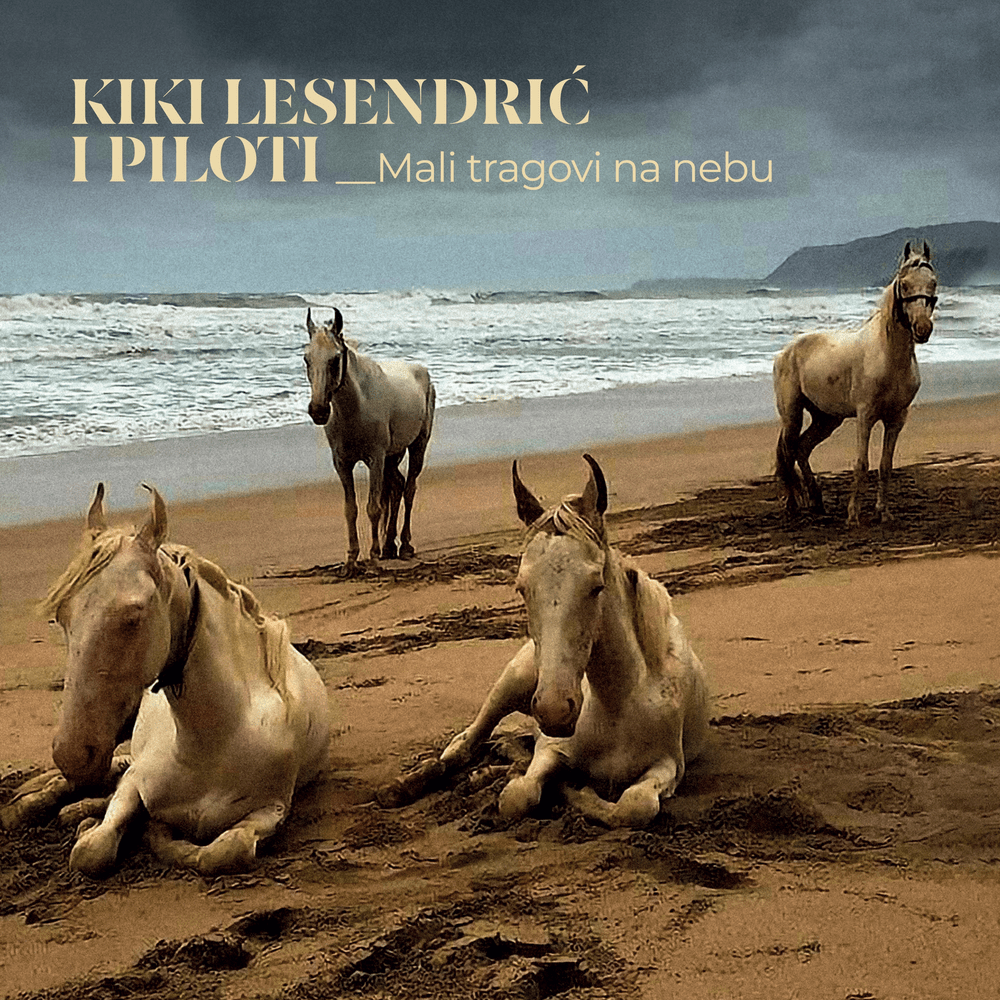
The lyrics paint a poignant picture of a final moment shared by two people, set against the backdrop of a serene summer day by the sea. The scene is established with simple, sensory details: sitting on the shore, eating olives, and spitting pits, all while waiting for a boat. This quiet, almost mundane activity contrasts sharply with the underlying emotional weight of impending separation, creating an immediate tension between the peaceful setting and the characters' unspoken farewell.
The central conflict revolves around the inevitable departure of one person. The arrival of the "beli brod" (white boat) is the clear signal of this separation, and the narrator observes their companion, who is described as "lepa" (beautiful) like the summer day itself, preparing to leave. This beauty, however, is tinged with sadness, as the narrator acknowledges this is "Naš zadnji ples" (Our last dance), a phrase that encapsulates the bittersweet finality of their shared time.
A striking element is the shift in perspective and the introduction of a superstitious belief about wishes. The narrator initially advises against speaking wishes aloud, suggesting the universe conspires against their fulfillment. Yet, in a heartbreaking turn, the narrator admits to whispering their own wish to the departing person, a wish that was clearly not granted, as they have "nikad nisam te video" (never seen you again). This personal confession transforms the abstract idea of lost wishes into a deeply felt, individual tragedy.
This lyrical construction is effective because it grounds a universal theme of parting in specific, evocative imagery and a relatable emotional arc. The contrast between the idyllic setting and the painful reality of separation, coupled with the intimate detail of the whispered, unfulfilled wish, creates a powerful sense of loss. The lyrics resonate not through grand pronouncements, but through the quiet observation of a beautiful, fleeting moment that signifies an irreversible end.
 View Artist