Song Meaning
The narrator confronts a partner who treats relationships like a casual game, disregarding emotional stakes and exploiting perceived naivety. There's a clear sense that this person operates without regard for others' feelings, assuming they can always find someone else to mistreat. The lyrics paint a picture of someone who views others as disposable pawns in their own self-serving agenda.
This dynamic creates a central tension: the narrator’s plea for introspection versus the partner’s apparent inability or unwillingness to engage with genuine emotion. The repeated phrase "If you'd only stop and think" acts as a desperate refrain, highlighting the gap between the narrator’s desire for reciprocity and the partner’s superficial engagement. It’s a plea for a moment of self-awareness that seems perpetually out of reach.
The most striking craft element is the insistent repetition of "stop and think" and "realise," framing the entire argument as a conditional ultimatum. The conditional "If you'd only" underscores the narrator's frustration, suggesting that the partner’s potential self-awareness is the sole barrier to a deeper connection or, conversely, the catalyst for their departure. The implication is that a moment of genuine reflection could fundamentally alter the partner's perspective, perhaps even humbling them.
Ultimately, the effectiveness of these lyrics lies in their directness and the raw emotional plea embedded within the repetitive structure. The narrator isn't asking for grand gestures, but for a basic level of consideration and self-awareness. The threat of leaving, "I'd be gone 'cause I can't take any more," grounds the plea in a tangible consequence, making the demand to "stop and think" feel less like a suggestion and more like a final, desperate ultimatum before the narrator walks away.
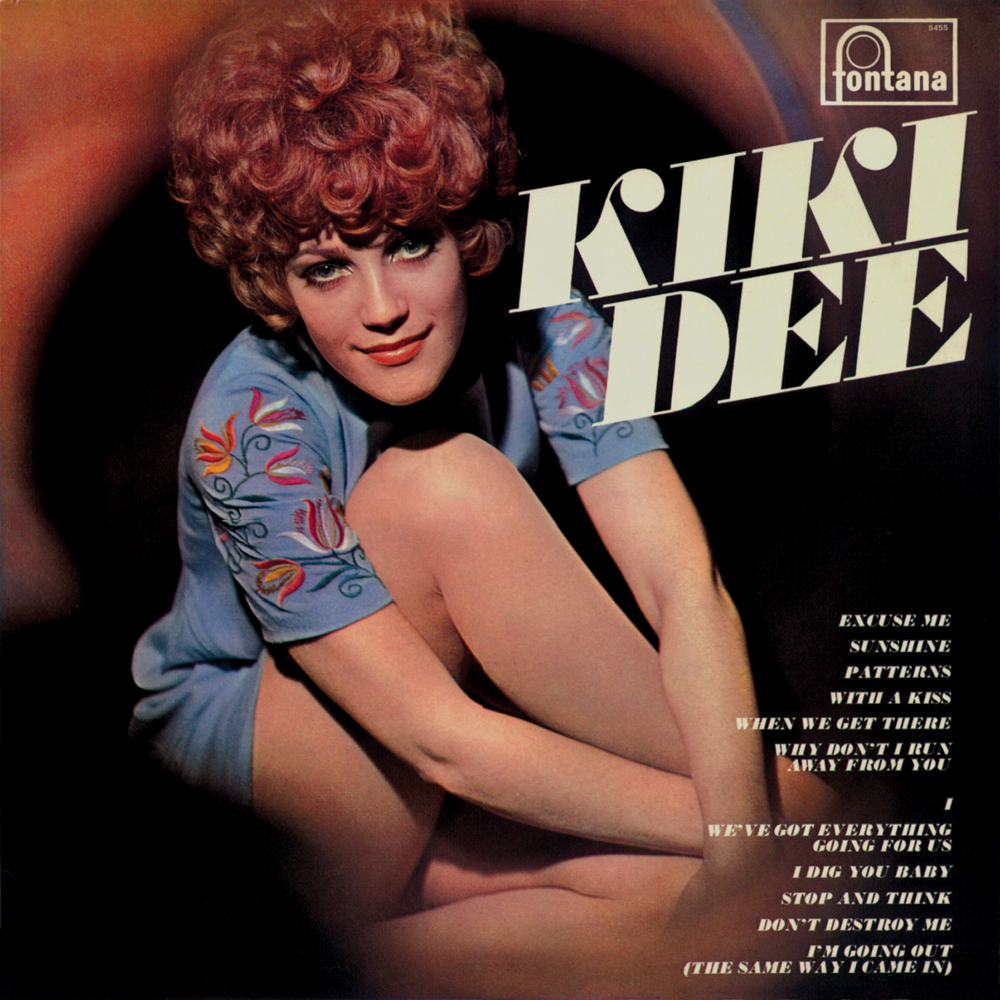
 View Artist