Song Meaning
The lyrics paint a picture of obsessive recall, fixated on a singular moment of perceived possession. The narrator repeatedly revisits the day they believed someone was "mine," a feeling underscored by the striking image of "red flowers in the water." This recurring memory feels both beautiful and potentially ominous, hinting at a deeper, more complex emotional landscape.
The central tension arises from the juxtaposition of this personal memory with a French interjection referencing Narcissus. The question posed, "Ta reflection, ou le monstre autant de toi?" (Your reflection, or the monster as much as you?), directly challenges the nature of self-perception and the potential darkness lurking beneath the surface of attraction. It suggests that the narrator's "possession" might be a distorted reflection, a dangerous obsession rather than genuine connection.
The most compelling craft element is the deliberate repetition and the integration of the Narcissus myth. The phrase "red flowers in the water" is echoed, emphasizing its significance, while the French lines introduce a classical, cautionary tale. This layering creates a disquieting effect, transforming a seemingly simple memory into a complex meditation on self-love, obsession, and the potential for monstrousness within perceived beauty.
This lyrical construction is effective because it taps into a universal anxiety about the nature of our desires and the objects of our affection. The ambiguity between "reflection" and "monster" leaves the listener unsettled, questioning the narrator's reality and the true nature of the "possession" they so desperately cling to. The "lacuna" itself, a gap or missing part, suggests an unacknowledged void at the heart of this memory.
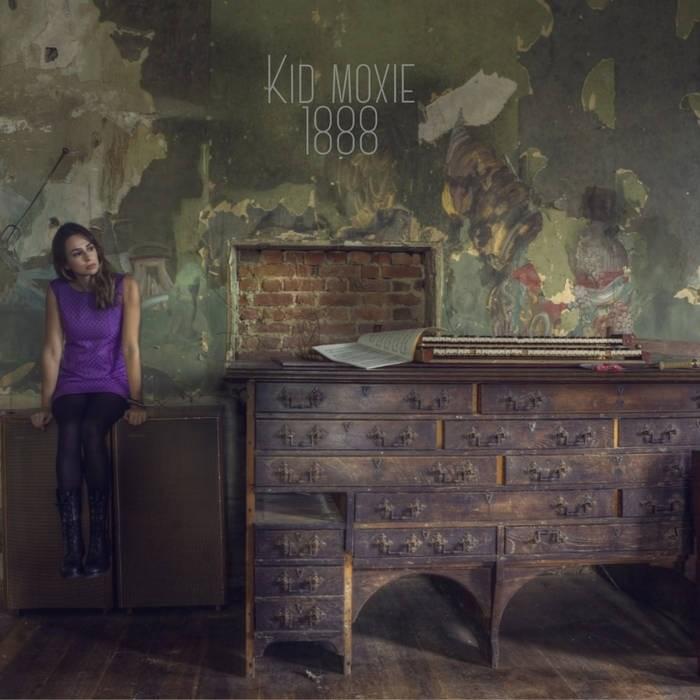
 View Artist