Song Meaning
The narrator's desires are aggressively materialistic and hedonistic, centered on acquiring women, wealth, and status. The opening hook, "Мне нужны суки. Лучше твои" (I need bitches. Yours, preferably), immediately establishes a competitive and possessive attitude towards sexual partners, framing them as commodities to be acquired. This is paired with a craving for "стильный прикид" (a stylish outfit) and "стиль, что горит" (style that burns), suggesting a need for outward markers of success and desirability that are flashy and attention-grabbing.
The lyrics paint a picture of a life lived at high speed and extreme excess. Phrases like "5 сук на мой дик" (5 bitches on my dick) and "Жирный stack, Moneyflip" (Fat stack, Moneyflip) highlight a focus on immediate gratification and a display of sexual and financial prowess. The narrator is on a "Paperchase, payback," driven by the need for "этот stack" (this stack) and "этот дым" (this smoke), implying a relentless pursuit of money and the intoxicating lifestyle it affords. The mention of "Сто бутылок на бэкстейдж" (A hundred bottles backstage) and "Моя банда вся во льду" (My crew all in ice) further emphasizes a world of constant partying and ostentatious displays of wealth.
The most striking aspect of the writing is the narrator's apparent exhaustion and the underlying question of fulfillment. Despite the accumulation of desired objects and experiences – the "Дом большой буд-то Крит" (House big like Crete), the constant "money moves" – there's a sense of never having enough time. The lines "Нужно больше времени, я никак не успеваю / 24 слишком мало, опять без сна, это всё правда ?" (Need more time, I just can't keep up / 24 is too little, sleepless again, is this all real?) reveal a deep-seated anxiety and a potential disconnect between the outward show of success and inner peace. The narrator seems trapped in a cycle, needing more and more, yet questioning the reality and sustainability of this relentless pursuit.
Ultimately, the lyrics effectively capture a specific brand of aspirational excess, where material gain and hedonistic pleasure are the primary drivers. The raw, almost desperate repetition of needs – for women, for style, for money – combined with the subtle hints of exhaustion and existential doubt, create a compelling portrait of someone chasing a high that may never be fully reached. The writing's power lies in its unflinching portrayal of desire and the potential hollowness that can accompany its relentless pursuit.
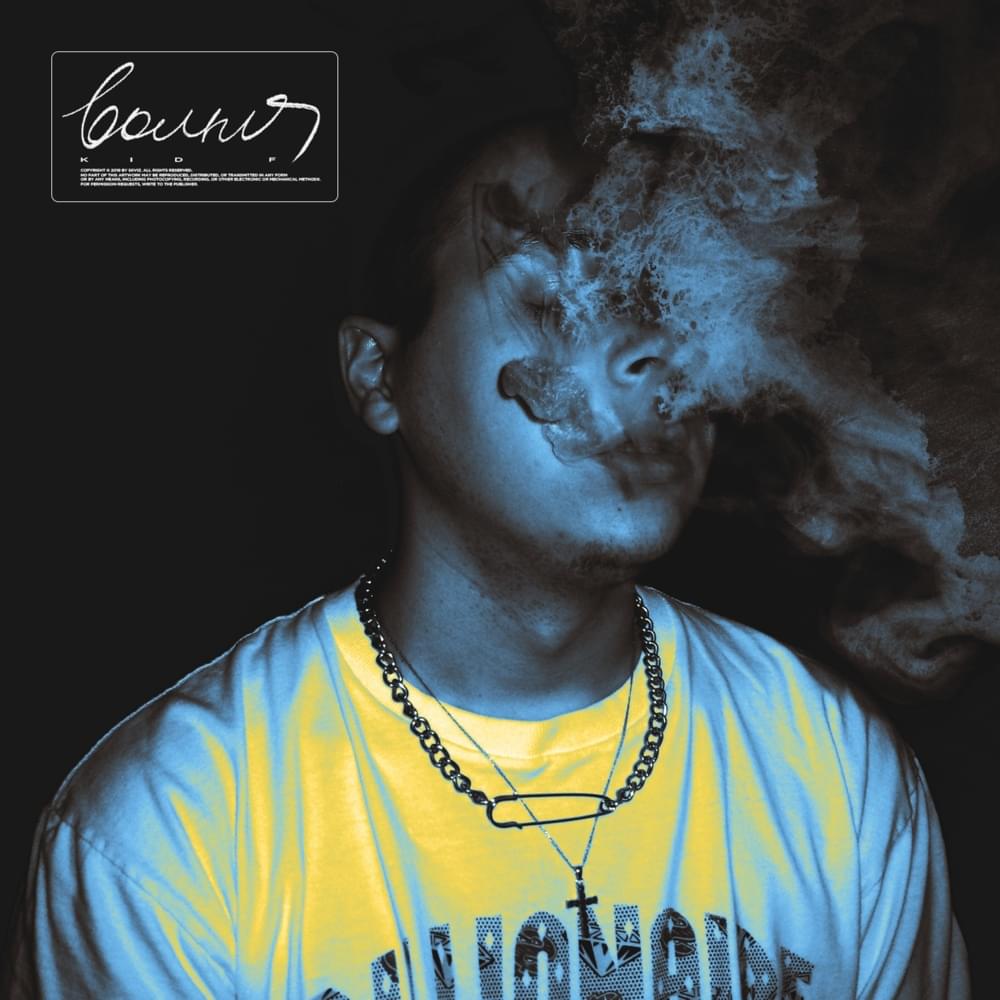
 View Artist