Song Meaning
The lyrics paint a vivid picture of persistent heartbreak, where the narrator is trapped in a cycle of sorrow and inability to move on. The repeated imagery of broken glasses in a drunken heart immediately establishes a tone of emotional wreckage and self-medication, highlighting a deep, unresolved pain. This isn't just sadness; it's a profound incapacitation, as the narrator confesses, "I couldn't console myself." The question, "How many nights did I cry secretly?" underscores the private, isolating nature of this suffering.
The central tension lies in the stark contrast between the narrator's enduring obsession and the presumed indifference of the person they can't forget. The narrator acknowledges, "You've forgotten me, maybe long ago," and wonders about new people in their ex-lover's life. This fuels the narrator's own internal conflict: while the world moves on, they remain "living in old days," unable to escape the pervasive presence of their past love in "everything."
The most striking aspect of the craft is the direct confrontation with common wisdom about love and loss. The narrator dismisses the idea that "every love ends with time," stating instead that their own love "grew." This defiance against conventional healing, coupled with the repeated advice from others to "forget it," emphasizes the unique and overwhelming nature of their attachment. The insistence that "whatever I did, I couldn't forget you" acts as a powerful, almost desperate, declaration of this inescapable emotional state.
This lyrical construction is effective because it grounds an abstract feeling of heartbreak in concrete, relatable actions and observations. The repetition of key phrases like "Unutamadım" (I couldn't forget) and the recurring questions about broken glasses and secret tears create a hypnotic, almost suffocating atmosphere. It captures the specific, agonizing experience of being stuck in a past love while the other person has clearly moved on, making the narrator's plight feel intensely personal and raw.
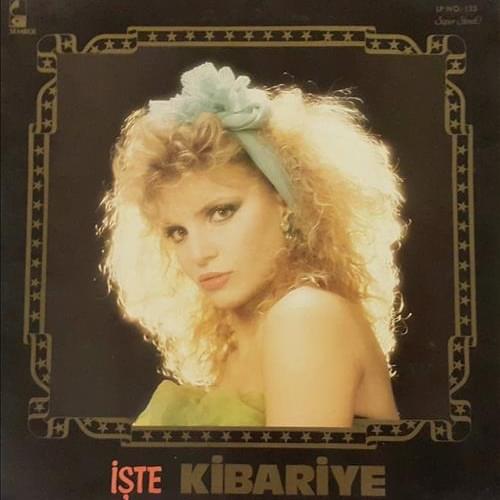
 View Artist