Song Meaning
The lyrics of "Keklik Gibi Kanadımı Süzmedim" paint a stark picture of a life unfulfilled, marked by a deep sense of resignation. The speaker laments not having "preened my wings like a partridge" or wandered freely, suggesting a profound lack of personal agency and joy. This feeling culminates in the repeated, insistent declaration: "This dark fate, I didn't write it myself."
At its core, the song grapples with the heavy weight of predetermined misfortune. The speaker feels trapped by a "dark fate written on my forehead," a powerful image of destiny that feels both inescapable and unjust. There's a palpable tension between accepting this fate and the underlying sorrow it causes, a struggle that defines the emotional landscape of the piece.
The craft here is subtle but effective. The opening image of the partridge, unable to preen its wings, immediately conveys a stifled existence, a natural freedom denied. This contrasts sharply with the line "Fate was like this, I sometimes cry," where the seemingly neutral or even positive phrase "was good/fine" is immediately undercut by the raw admission of tears, suggesting a bitter irony or a forced, painful acceptance of circumstances. It's a poignant moment that reveals the depth of the speaker's sorrow.
The repeated phrase "I didn't write" hammers home the speaker's insistence on their lack of responsibility for their plight, making the lament feel deeply personal and almost defiant. The direct address to the "Oh heart, my reason" in the chorus further amplifies this internal struggle, as if the speaker is pleading with their own core being to understand or alleviate the burden of this unchosen destiny. These choices make the lyrics resonate with anyone who has felt powerless in the face of life's challenges.
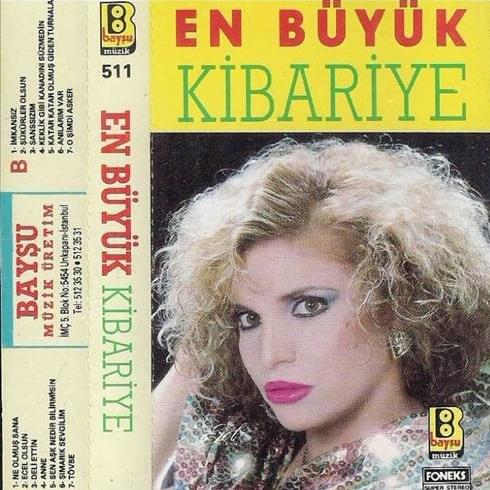
 View Artist