Song Meaning
The narrator is issuing a stark warning: "Dönme, sevgilim, dönme" – don't come back, my love, don't come back. The plea isn't about the present moment, but a deep-seated weariness. The lyrics suggest a profound sense of loss, not just of the relationship, but of time itself, with the narrator stating, "Her geçen gün ah ettim, itizarim var sende" (Every passing day I sighed, I have regrets with you). This sets a tone of lingering resentment and irreversible change.
The central tension lies in the narrator's demand for restitution before any reconciliation can even be considered. They don't just want the past back; they want the *essence* of it, the "eski günlerimi" (my old days) and the lost "gençliğimi" (my youth). The repeated refrain, "Umutlarım sen'le bitti, hasretin bile ümitti" (My hopes ended with you, even your absence was hope), highlights a painful paradox: the relationship's end brought a strange kind of solace, a hope that's now extinguished. The question, "Bu gönül kaç yıl bekledi?" (How many years did this heart wait?) underscores the immense duration of this emotional toll.
The most striking craft element is the stark contrast between the past and the present state of the narrator. The imagery of a "Benim çiçeğim soldu, saçlarıma ak doldu" (My flower wilted, gray filled my hair) paints a vivid picture of decay and aging directly linked to the relationship's demise. This physical manifestation of time passing, "Duygularım yok oldu" (My feelings are gone), serves as a powerful, almost irreversible consequence. The repeated command, "Dönme, sevgilim, dönme," becomes less a plea and more a definitive statement of finality, a boundary drawn in the sand.
These lyrics hit hard because they articulate the profound cost of prolonged emotional suffering. It’s not just about a breakup; it's about the theft of time and youth. The narrator’s declaration, "Sakın bana yalvarma, ben seni çoktan unuttum" (Don't you dare beg me, I've long forgotten you), and the image of consoling their heart "gözyaşımla avuttum" (I consoled with my tears) reveal a hard-won, albeit sorrowful, independence. The effectiveness comes from this unflinching portrayal of irreversible damage and the narrator's resolute stance against reopening old wounds.
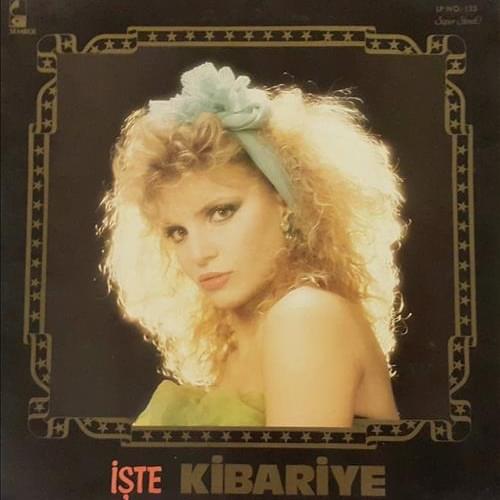
 View Artist