Song Meaning
Lebo M's "Lea Halalela (Holy Land)" isn't just a song; it's a concentrated prayer, a plea for righteous governance distilled into soaring vocals and rhythmic repetition. The core phrase, “Fatshe leso lea halalela,” translates to "This land is holy," immediately grounding the listener in a space of reverence and responsibility. The lyrics, sung in Zulu, repeatedly implore someone – be it a leader, a divine power, or perhaps the collective will of the people – to "Uli-buse le lizwe," to "govern this land." This isn't a passive observation; it's an active invocation. It's a call for ethical stewardship.
The repetition of phrases like "Uli buse kahle" (govern it well) amplifies the song's central concern: not just governance, but *good* governance. This isn't a jingoistic anthem; it's a deeply spiritual and pragmatic request. The song acknowledges the land ("Izwe lethu," "Mhlaba wethu" – our country, our land) as something precious and inherently valuable, demanding careful and considerate management. It reflects a collective desire for justice and prosperity, rooted in respect for the land and its people.
"Lea Halalela" avoids specific political commentary, instead opting for a broader, more resonant appeal to moral leadership. The cyclical nature of the lyrics, the return to the phrase "Fatshe leso lea halalela," creates a meditative quality, reinforcing the idea that the holiness of the land is not a static condition, but something that must be constantly acknowledged and actively protected through just rule. It’s a reminder that power carries immense responsibility, and that the fate of the land is inextricably linked to the integrity of those who govern it. The song taps into a deep-seated yearning for ethical leadership, making it a powerful and enduring message.
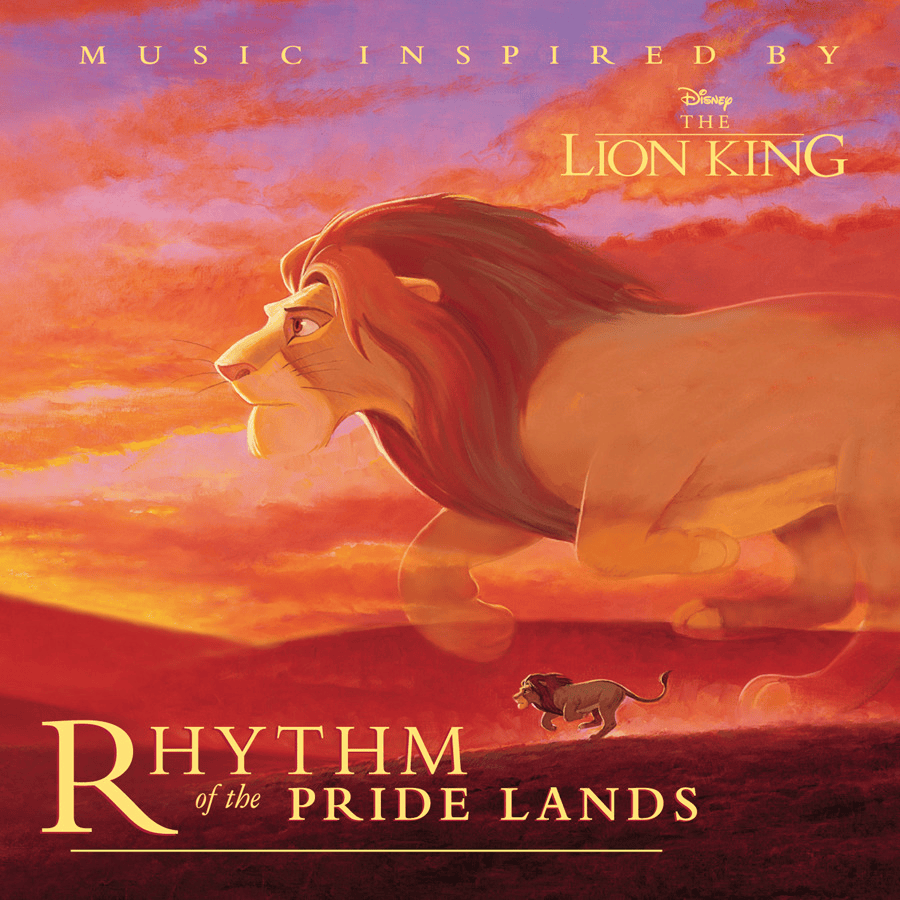
 View Artist