Song Meaning
The lyrics paint a picture of someone grappling with intense internal turmoil, presenting themselves as a "crazy inhuman" and "bipolar maniac" who struggles with self-control and identity. The narrator places flowers on a dresser, a seemingly gentle act, but immediately contrasts it with a threat of violence: "If I get dressed, I swear I'll run you over with my Renault." This juxtaposition highlights a volatile emotional state where calm requests can quickly escalate into dangerous impulses, suggesting a deep-seated instability that the narrator acknowledges but doesn't seem to manage.
The central tension arises from the narrator's fractured sense of self and their desperate desire for connection with another person, referred to as "bae." They explicitly state, "I want you, not the shadow," indicating a yearning for genuine intimacy amidst their internal chaos. However, this desire is complicated by their self-proclaimed "bipolar" nature and a feeling of being split between two disparate realities, symbolized by having "head in Denmark and body in Uruguay." This internal division makes authentic connection seem almost impossible, as they feel they are paying for a "two-room apartment for the two of me."
The chorus reveals a profound sense of alienation and a struggle to be understood. The narrator asserts their unique experience, telling the other person, "You want to know more than me, but you can't know more than me." They describe a multiplicity of selves, stating, "If you see at least 5 me, know we are at least 10, bae." The act of singing at "a thousand dB" is a coping mechanism to drown out internal "weights." The most striking image is mixing "lithium with a face I won't see again," suggesting a self-destructive attempt to numb pain or escape a part of themselves, possibly linked to the fleeting nature of the relationship or their own identity.
Ultimately, the effectiveness of these lyrics lies in their raw, unflinching portrayal of mental health struggles and the desperate search for connection. The narrator's self-awareness of their "madness" and their attempts to articulate this internal chaos through vivid, often jarring imagery make the emotional weight palpable. The contrast between the desire for love and the self-destructive impulses creates a compelling, albeit unsettling, narrative that resonates with the difficulty of maintaining stable relationships when battling internal demons.
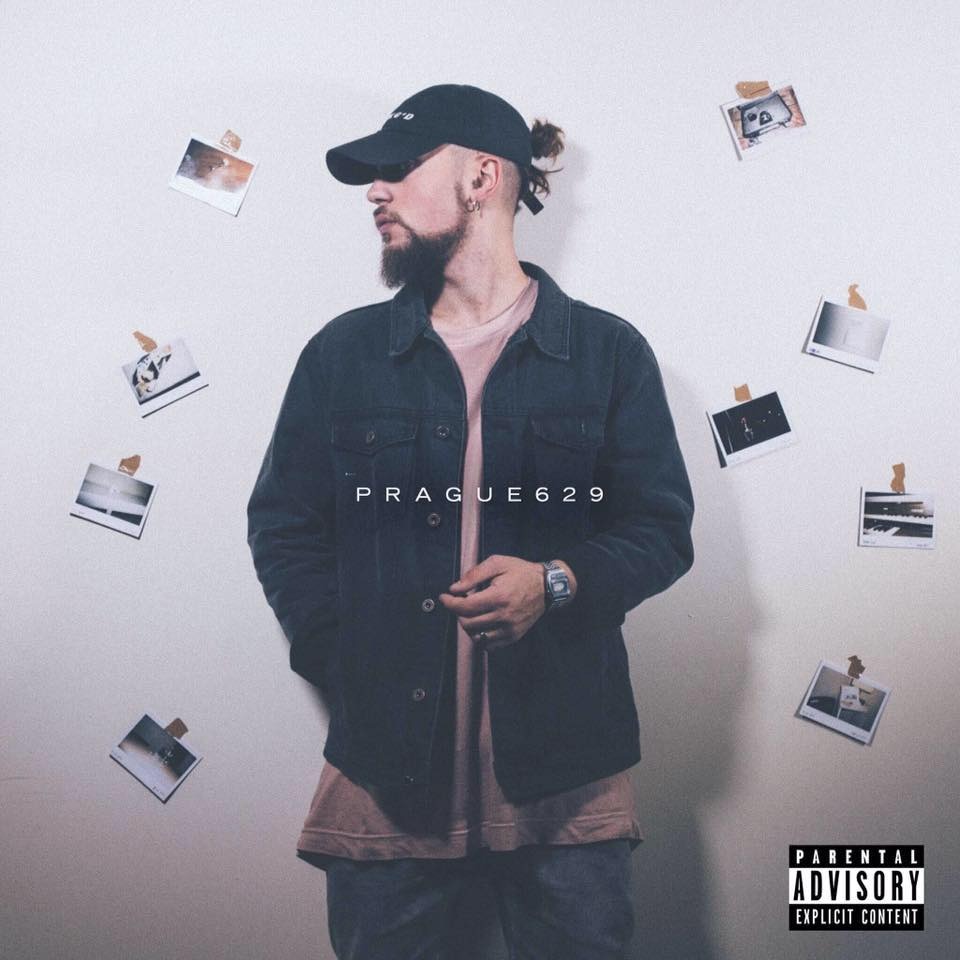
 View Artist