Song Meaning
The song opens with a disorienting sense of self-estrangement, as the narrator states, "Uykumda uyudum" (I slept in my sleep) twice, immediately blurring the lines between consciousness and unconsciousness. The reflection in the mirror becomes a stranger, "Bir ayna oldu yüzüm / Yüzüm bana" (My face became a mirror / My face to me), suggesting a profound disconnect from their own identity. This sets a tone of existential drift and a search for self in a state of profound fatigue or detachment.
The core tension lies in the narrator's struggle with their own existence, feeling reduced to "Bir avuç kum" (A handful of sand). The repeated phrase "Ne adım var ne uykum" (I have neither name nor sleep) underscores a loss of identity and peace. They feel adrift, their name carried away "Esen rüzgarlarda" (in the blowing winds), yet paradoxically, they also recall a past where someone was "Her zaman yanımdaydın adım adım" (Always by my side, step by step). This contrast highlights a present state of isolation against a memory of companionship or stability.
The lyrics employ the potent image of sand to convey fragility and impermanence. The narrator declares, "Oldum ben sonunda olmayanlardan oldum" (I finally became one of those who are not), a stark admission of fading into insignificance. Yet, they admit to questioning their place amongst those who *are* something: "Ama kendimi hep / Olanlardan sordum" (But I always asked myself / Of those who are). This internal conflict between feeling like nothing and seeking validation from others is central to the song's emotional weight.
Ultimately, the effectiveness of these lyrics stems from their raw portrayal of identity dissolution. The simple, repetitive imagery of sand and wind creates a powerful sense of being scattered and lost. The narrator’s internal questioning, oscillating between self-erasure and a desperate need to be seen, resonates deeply, capturing a universal feeling of searching for solid ground in a transient existence.
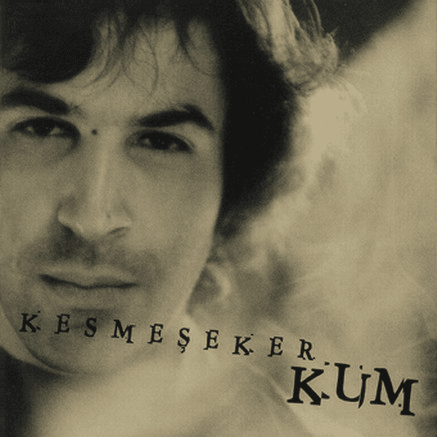
 View Artist