Song Meaning
The lyrics paint a picture of someone reflecting on a life lived without genuine self-care or meaningful contribution, framed by a stark realization of lost time. The opening lines question what the narrator has *done* for themselves, suggesting a period of passive existence filled with basic pleasures like eating, drinking, and casual intimacy, all while remaining oblivious to any deeper, personal sacrifice or growth. This sense of unfulfilled potential hangs heavy, underscored by the repeated, almost mantra-like chorus of "Love love love," which feels less like an expression of affection and more like a desperate, perhaps ironic, placeholder for what was missing.
The central tension emerges from the juxtaposition of this superficial existence with the harsh reality of separation and disillusionment. The lyrics hint at a world where cherished beliefs and familiar comforts are no longer sustainable, stating that "new world" acquaintances "don't drink anymore." This suggests a profound shift, leaving the narrator isolated and questioning the foundations of their past experiences. The idea of "separation" being as close as one's own self implies an internal disconnect, a realization that the greatest distance was always within.
What's particularly striking is the stark contrast between the repetitive, almost hollow "love" chorus and the introspective, regretful verses. The narrator acknowledges that the paths connecting them to someone else have been severed, and the thought of returning from a distant place is dismissed. The final, hesitant "Değer miydi hiç hmm hmm" (Was it worth it, hmm hmm) cuts through the abstract repetition, grounding the song in a specific, poignant moment of doubt. This deliberate ambiguity in the chorus, repeated after each verse, creates a disorienting effect, as if the narrator is trying to convince themselves of something they no longer believe.
Ultimately, these lyrics resonate because they capture the quiet dread of looking back and finding a void where purpose should have been. The simple, almost childlike repetition of "love" serves as a poignant counterpoint to the adult realization of lost opportunities and broken connections. It’s the sound of someone grappling with the emptiness left by a life lived on autopilot, questioning the value of past choices when faced with the stark reality of what remains.
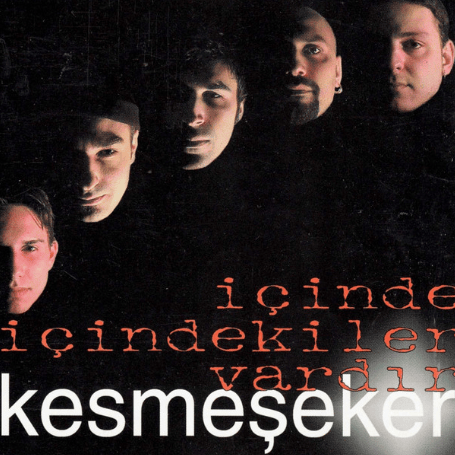
 View Artist